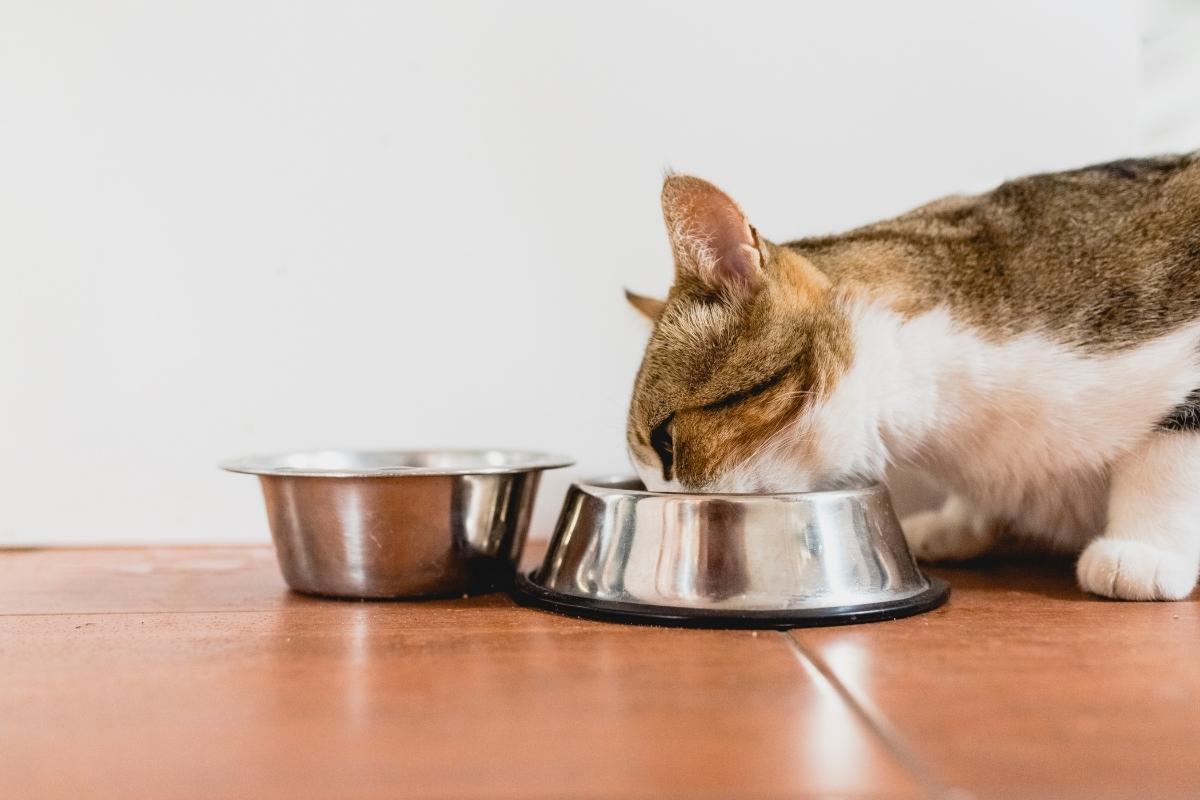
Selecting a proper food for your cat is one of the most significant decisions a cat owner makes. Adequate nutrition is the key to a cat’s happiness and health, but choosing the best cat food from so many options out there can be daunting to begin with.
Why the Right Pet Food Matters for Your Cat
Cats are carnivores, their bodies designed for survival on animal proteins. Unlike dogs and humans, cats require some nutrients that are best available in animal sources. Providing the proper nutrients through food is key to keeping cats healthy, preventing illnesses, and increasing their energy for a longer life.
In Oviedo, pet owners who walk their cats to explore nearby parks and streets will find that a well-balanced diet is crucial to keeping their cats energetic and active. Whether your cat is active like a kitten, laid-back like a senior cat, or steady like an adult cat, quality food will benefit them greatly.
Factors to Consider When Choosing Pet Food for Your Cat
Selecting the right cat food depends on several factors, including cat age, activity level, current health, and dietary requirements. This is a quick guide to the essential points:
1. Age and Life Stage
One of the most important things to consider when choosing pet food is your cat’s life stage. Cats have different nutritional needs at various life stages, including kittens, adults, and seniors. These life stages include:
- Kittens: Since they grow so quickly, they require a diet that supports their growth. The foods called “kitten foods” contain more protein, more fat, and more calories.
- Adult cats: These need a balanced diet to maintain energy levels and overall good health. It is best to choose foods that are formulated for adult cats. These are made to satisfy adult cat needs.
- Senior cats: With age, they may develop health problems such as joint pain, kidney issues, or obesity. Elderly diets will provide less calorie intake but high fiber to facilitate digestion.
As cats tend to remain active, go outside, or live with multiple pets, choosing food based on life stage helps ensure they receive a balanced nutrient intake tailored to their lifestyle.
2. Health Conditions
If your cat has any kind of health issue, such as weight, diabetes, or kidney disease, their nutritional requirements won’t be the same as those of an ordinary cat. Specialized foods are available to cater to their needs.
- Obesity: Choose foods that have fewer calories and less fat, and more fiber, to help your cat feel full more easily.
- Diabetes: They usually respond better to a low-carb, high-protein diet. It is essential to check with a vet to find the optimal blend for a cat.
- Kidney disease: Cats with kidney issues may find a low-protein, phosphorus-manageable diet helpful in making their renal work easier.
3. Protein and Ingredient Quality
Cats require a high-quality animal protein in their diet to retain muscle tissue, among other aspects. When selecting food for your cat, make sure the main ingredient is a named protein source, such as chicken or fish.
While it may be tempting to pick up a bargain for cat food, putting money into high-quality foods that will help take care of your cat’s nutrient requirements is worth it. These foods should contain:
- Protein sources like chicken, beef, and lamb
- Animal fats (for energy and skin health)
- Omega-3 and Omega-6 Acids (For Skin and Fur Care)
- No fillers such as corn, soy, or preservatives
In Oviedo, where cat owners are often passionate about providing the very best for their cats, high-quality protein-rich cat food is essential for maintaining good health in your cat.
4. Wet vs. Dry Food
Deciding whether to opt for wet or dry food involves comparing the advantages that come with both:
- Wet food: Wet cat food contains a lot of water, helping hydrate cats who drink little water. It is ideal for those with urinary tract and kidney ailments.
- Dry food: Dry cat food is more convenient and may help keep the teeth cleaner by removing plaque. However, it contains less water, which may not be suitable for cats that do not drink plenty of water.
A blend of wet and dry food may allow your cat to benefit from both. The important thing is to ensure your cat has access to fresh water, especially when they are fed dry food.
5. Ingredients to Avoid
Some ingredients can be toxic to cats: such ingredients should be avoided when selecting the best cat food for your pet.
- Artificial colors, flavors, and preservatives: These add nothing to the nutritional value of cat food but can induce an allergy within cats.
- By-products: They are lower quality and do not have the same nutritional value as named meats. By-products are parts of an animal that are used for food and may include
- Grains: Some cats can tolerate grains, but many are sensitive to them. In that case, go with a grain-free food if your cat has any allergies or sensitivities.
These ingredients should be avoided to ensure your cat’s diet is healthy and nutritious.
Tips for Transitioning Your Cat’s Diet
If you’re changing your cat’s diet, do it gradually. Sudden changes can upset their stomach and lead to vomiting or diarrhea. You can do it in the following way:
- Begin with a mix of 25% new food and 75% old.
- Every day, turn the ratio a little more in favor of the new food until you’re entirely new food by day 7 to 10.
- Observe your cat’s reaction and note any changes in its stool, appetite, or behavior.
Provide the Right Nutrition for Your Cat
Selecting the right cat food is one of the most significant decisions that a pet owner has to make. When a cat’s nutritional needs are met based on its age, overall condition, and lifestyle, it can live a longer, healthier life.
At Alafaya Trail Animal Hospital, we work with our Oviedo patients to find the best food for cats with specific health conditions, ensuring they receive the proper nourishment for effective management of their health.
If you have questions about choosing the best food for your cat or scheduling a consultation about the diet, contact us today. Our vets and system are committed to your cat’s health.
FAQs
- How do I know if my cat is eating the right food?
If your cat is active, has a luscious coat, and maintains a good weight, then the food is a good choice for them. When weight, coat condition, or activity levels change, a different food may be necessary.
- Can I feed my cat a vegan or vegetarian diet?
Cats are carnivores; they require animal protein to stay healthy. A vegetable or vegan diet would not be appropriate for cats because it cannot provide all the necessary nutrients.
- How often should I feed my cat?
An adult cat should be given two meals a day. Kittens and aged cats may be fed at shorter intervals. You should follow the instructions on the food packet regarding the number of meals to be given.
- Can I mix wet and dry food for my cat?
Yes, by combining wet and dry foods, you can enjoy the benefits of both: more water and better oral health. Just ensure a balanced calorie intake from each food type.
- My cat has food allergies. What should I do?
If you think that allergies might be an issue, you should talk to your vet about whether your dog might be a good candidate for an elimination diet or allergy testing.