

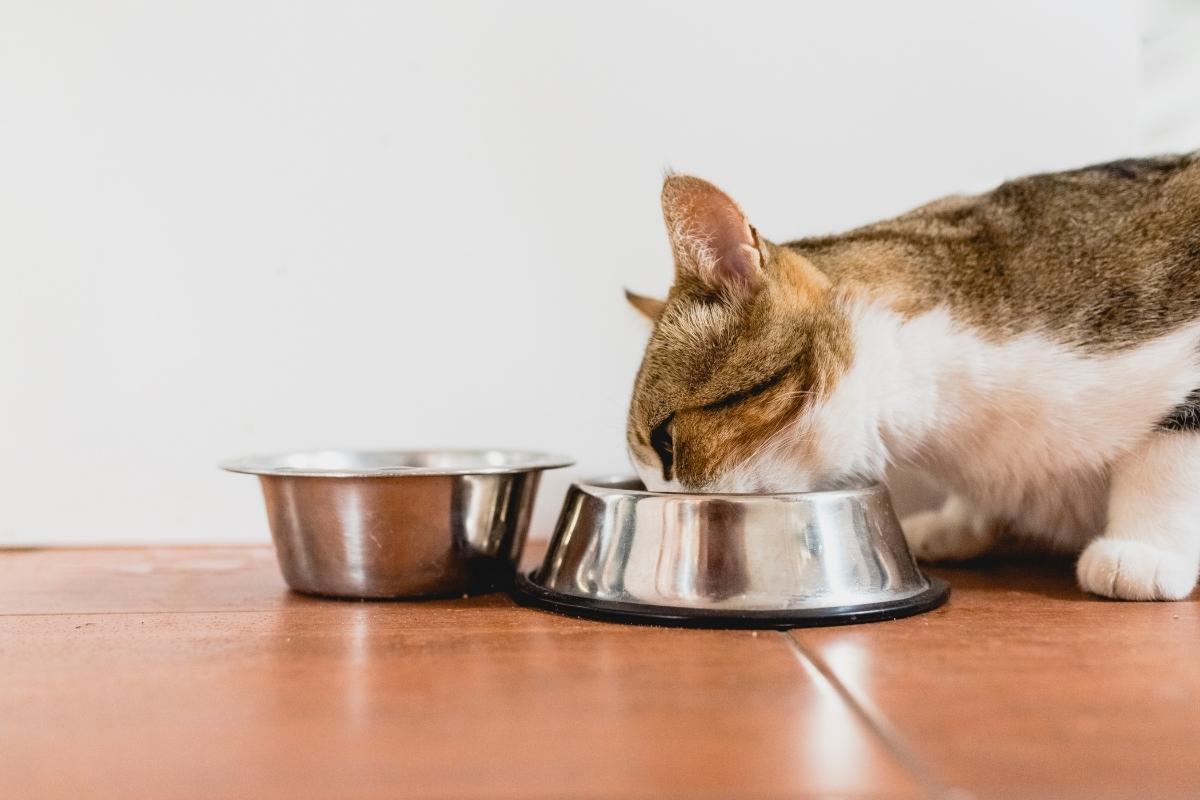
As cats grow older, their nutritional needs change significantly. A diet that worked well in their younger years may no longer support their energy levels, joint health, digestion, and immune system. Choosing the right senior cat food can make a major difference in your cat’s comfort, longevity, and overall well-being.
At Alafaya Trail Animal Hospital, our veterinary team understands how important tailored nutrition is for aging pets. As a trusted Oviedo veterinarian, we provide guidance to help pet parents make informed decisions. We also welcome patients from Oviedo and surrounding areas, ensuring quality veterinary care is always within reach.
Why Senior Cats Need Special Nutrition
As cats age (typically around 7–10 years and older), their metabolism slows down and their bodies begin to change. These changes affect how they process nutrients and maintain health.
Key age-related changes include:
- Decreased activity levels leading to weight gain
- Reduced kidney function
- Joint stiffness and arthritis
- Dental issues affecting chewing ability
- Weakened immune system
- Slower digestion and nutrient absorption
Because of these changes, senior cats require food that is carefully balanced to support aging organs while maintaining muscle mass and energy levels.
What Makes the Best Senior Cat Food?
Not all cat food labeled “senior” is created equal. A high-quality senior diet should include specific nutrients that support aging bodies.
1. High-Quality Protein
Older cats still need protein to maintain lean muscle mass. However, it should be:
- Easily digestible
- High-quality animal-based protein (chicken, turkey, fish)
2. Controlled Calories
Senior cats are less active, so calorie intake should be controlled to prevent obesity, which can worsen joint and heart issues.
3. Joint Support Nutrients
Ingredients like:
- Glucosamine
- Chondroitin
- Omega-3 fatty acids
These help maintain joint flexibility and reduce inflammation.
4. Kidney-Supportive Formula
Kidney disease is common in older cats, so senior diets often include:
- Reduced phosphorus
- Controlled sodium levels
- Increased hydration support
5. Fiber for Digestive Health
Fiber helps regulate digestion and prevents constipation, a common issue in aging cats.
Wet Food vs Dry Food for Senior Cats
Both wet and dry foods have benefits, but senior cats often benefit more from wet food.
Wet Food Benefits:
- Higher moisture content helps kidney and urinary health
- Easier to chew for cats with dental issues
- More palatable for picky eaters
Dry Food Benefits:
- Helps maintain dental health (mild tartar control)
- More convenient to store and feed
Many veterinarians recommend a mixed diet for balanced nutrition and hydration.
Common Feeding Problems in Senior Cats
As cats age, you may notice changes in eating habits. These should never be ignored.
Loss of Appetite
May indicate:
- Dental pain
- Kidney disease
- Digestive issues
Sudden Weight Loss
Could signal:
- Hyperthyroidism
- Diabetes
- Chronic illness
Increased Hunger
Sometimes linked to metabolic diseases or poor nutrient absorption.
If you notice any of these symptoms, consult a veterinary professional immediately.
How to Transition to Senior Cat Food
Switching your cat’s diet should be done gradually over 7–10 days:
- Mix 25% new food with 75% old food
- Slowly increase the new food portion every 2–3 days
- Monitor appetite, stool, and behavior
- Adjust if digestive issues occur
A slow transition helps avoid stomach upset and ensures acceptance of the new diet.
Role of Veterinary Care in Senior Cat Nutrition
Nutrition is not one-size-fits-all. Every cat ages differently, which is why regular checkups are essential.
At Alafaya Trail Animal Hospital, our team evaluates:
- Weight changes
- Kidney and liver function
- Dental health
- Mobility and arthritis signs
- Hydration levels
This helps us recommend the most appropriate diet plan for your cat’s condition.
If you are looking for a trusted veterinarian, our hospital provides complete preventive and senior pet care services. You can easily book an appointment for a full wellness evaluation.
Supporting Senior Cats for a Better Quality of Life
Along with proper food, senior cats need overall lifestyle support:
- Keep fresh water available at all times
- Provide soft, warm resting areas
- Maintain a consistent feeding schedule
- Encourage light play and movement
- Schedule regular veterinary checkups
A combination of proper diet and veterinary care can significantly extend your cat’s healthy years.
Conclusion
Feeding your senior cat the right diet is one of the most important steps in ensuring a long, healthy, and comfortable life. From high-quality protein to joint and kidney support, every ingredient plays a role in your cat’s well-being.
With guidance from a trusted Oviedo veterinarian, you can make informed dietary choices tailored to your cat’s needs. At Alafaya Trail Animal Hospital, we are committed to providing compassionate veterinary care and helping pet owners make the best nutritional decisions.
If you have concerns about your cat’s diet or health, don’t wait book an appointment with our veterinary team today. We proudly serve Oviedo and surrounding communities with dedicated care for every stage of your pet’s life.
FAQs
1. What is the best food for senior cats?
The best senior cat food is high in quality protein, easy to digest, and contains nutrients that support kidney health, joints, and digestion.
2. When should I switch my cat to senior food?
Most cats can transition to senior diets around 7–10 years of age, depending on their health condition.
3. Should senior cats eat wet or dry food?
Wet food is often better due to higher moisture content, but a combination of both is commonly recommended by veterinarians.
4. Why is my senior cat losing weight?
Weight loss may indicate dental disease, kidney problems, or metabolic conditions and should be checked by a veterinary professional.
5. How often should senior cats visit a vet?
Senior cats should have a veterinary checkup at least twice a year for early detection of health issues.
6. Can diet improve my senior cat’s health?
Yes, a balanced senior diet can improve energy levels, support organ function, and enhance overall quality of life.
