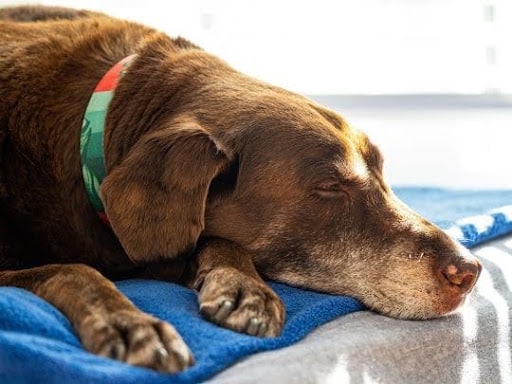
When an older dog starts gaining weight, a veterinary clinic in Oviedo can help identify the right path to healthier aging. Senior dogs often become less active as they age, while their nutritional needs and metabolism may also change. These shifts can make it easier for extra pounds to accumulate.
Although a little weight gain may seem harmless, carrying excess body weight can affect a senior dog’s mobility, energy, comfort, and overall quality of life. Maintaining a healthy weight is therefore an important part of preventative pet care in Oviedo. With regular monitoring, balanced nutrition, appropriate exercise, and veterinary guidance, pet owners can help their aging dogs stay active and comfortable for years to come.
Why Weight Management Matters for Senior Dogs
A healthy weight becomes increasingly important as dogs get older. Senior dogs may naturally lose muscle mass while becoming less physically active. If their food intake remains the same, this change can gradually lead to excess body fat.
Extra weight places additional stress on the body. It can make everyday activities such as walking, climbing stairs, getting up, or playing more difficult. Over time, excess weight may also contribute to joint strain and reduced mobility.
Weight management is not simply about helping a dog maintain a certain appearance. It is about supporting physical function and preserving quality of life. A healthy body condition can help an older dog move more comfortably and participate in activities that provide mental and physical stimulation.
Regular assessments at an animal hospital near you can also help identify gradual weight changes before they become more difficult to manage.
How Aging Changes a Dog’s Weight Needs
Senior dogs do not always need the same amount of food or activity they did during their younger years. Metabolism can slow with age, and many older dogs naturally become less active.
Changes in Activity Levels
A dog that once enjoyed long walks or hours of play may prefer shorter, gentler activities as it ages. Reduced activity means fewer calories are being burned throughout the day.
Pet owners should pay attention to these changes and adjust daily routines accordingly. Exercise should remain consistent but should match the dog’s age, physical condition, and comfort level.
Changes in Muscle Mass
Aging dogs can gradually lose lean muscle. This makes it especially important to focus on maintaining a healthy body composition rather than simply watching the number on a scale.
Veterinary professionals can evaluate a senior dog’s body condition and muscle development to determine whether weight changes reflect healthy aging or excessive fat accumulation.
Signs Your Senior Dog May Be Overweight
Weight gain can happen gradually, making it difficult for owners to notice. Regularly checking your dog’s body condition can provide helpful clues.
You may notice that your dog’s waist is less visible when viewed from above. The abdomen may also appear less tucked when viewed from the side. In addition, you may have difficulty feeling the ribs beneath a layer of fat.
Other potential signs include:
- Reluctance to walk or play
- Becoming tired more quickly during activity
- Difficulty getting up or lying down
- Reduced interest in physical activities
- Increased panting after mild exercise
- Difficulty reaching certain areas for grooming
These signs do not always mean a dog is overweight. They can have several possible causes, especially in senior pets. A veterinary clinic in Oviedo can assess your dog’s overall condition and help determine whether weight management should be part of the care plan.
Building a Healthy Weight Management Plan
A successful weight management plan should be personalized. Senior dogs have different nutritional needs, activity levels, medical histories, and body conditions.
Choose Appropriate Portions
Portion control is one of the most important parts of maintaining a healthy weight. Feeding guidelines on pet food packaging can provide a starting point, but they may not account for an individual senior dog’s activity level and changing metabolism.
Your veterinarian can help determine an appropriate daily calorie intake. Measuring meals rather than estimating portions can also make weight management more consistent.
Treats should be included in the daily calorie count. Small adjustments can make a significant difference over time.
Encourage Safe Physical Activity
Senior dogs still benefit from regular movement. Gentle walks, controlled play, and other low-impact activities can help support mobility and muscle strength.
The goal is consistency rather than intensity. Several shorter walks may be more comfortable for an older dog than one long walk.
If your dog shows signs of discomfort during or after exercise, speak with a veterinary professional before increasing activity.
Monitor Weight Regularly
Regular weigh-ins can help you recognize changes early. Even small increases can become significant when they continue over several months.
At home, owners can monitor body shape and activity levels. Professional evaluations at an animal hospital near you provide another useful way to track changes and adjust a senior dog’s care plan when necessary.
The Connection Between Weight and Senior Dog Mobility
Mobility is a major concern as dogs age. Extra body weight can place additional pressure on joints and make movement more challenging.
When a senior dog carries excess weight, everyday activities may require more effort. This can create a cycle in which the dog moves less because movement is uncomfortable, leading to reduced calorie expenditure and additional weight gain.
Maintaining a healthy body condition can help break this cycle. Combined with appropriate exercise and veterinary monitoring, weight management can support a senior dog’s ability to remain active.
Preventative pet care in Oviedo should therefore include ongoing attention to weight, mobility, nutrition, and changes in daily behavior.
How Veterinary Monitoring Supports Healthy Aging
Weight management should not be viewed as a one-time goal. Senior dogs experience ongoing physical changes, so their care needs may change as they age.
Routine veterinary evaluations allow professionals to monitor body condition, muscle mass, mobility, appetite, and other aspects of overall health. These visits also provide an opportunity to discuss changes in eating habits or activity levels.
If your senior dog has gained or lost weight unexpectedly, professional guidance is especially important. Sudden changes should not automatically be attributed to normal aging.
A personalized plan may include nutritional adjustments, portion recommendations, activity modifications, and ongoing weight monitoring. Working with a veterinary team can make these changes more practical and sustainable for both dogs and their owners.
Help Your Senior Dog Maintain a Healthy Weight
Proper weight management is an important part of helping senior dogs remain comfortable, active, and engaged in daily life. Balanced nutrition, appropriate exercise, portion control, and regular veterinary monitoring can work together to support healthy aging.
If you are concerned about your dog’s weight or changing activity level, schedule an appointment with our animal hospital for personalized guidance. At Alafaya Trail Animal Hospital, our team provides thoughtful veterinary care designed to support senior dogs through every stage of aging while helping owners make informed decisions about their pets’ long-term well-being.
Frequently Asked Questions
1. How can I tell if my senior dog is overweight?
Ans: Look for a reduced waistline, difficulty feeling the ribs, a less noticeable abdominal tuck, and reduced willingness to exercise. A veterinarian can provide a more accurate body-condition assessment.
2. Should senior dogs eat less food?
Ans: Some senior dogs require fewer calories because they become less active with age. However, the appropriate amount depends on the dog’s size, activity level, body condition, and individual nutritional needs.
3. Is exercise still important for an older dog?
Ans: Yes. Appropriate physical activity can support mobility, muscle strength, healthy weight, and mental stimulation. Exercise should be adjusted to your dog’s abilities and comfort level.
4. Can treats contribute to senior dog weight gain?
Ans: Yes. Treats contain calories and can contribute to excess weight when given frequently or in large amounts. Keeping portions small and accounting for treats within the dog’s overall daily intake can help.
5. How often should I check my senior dog’s weight?
Ans: Regular monitoring is helpful because gradual weight changes can be difficult to notice. Your veterinarian can recommend an appropriate schedule based on your dog’s individual needs.