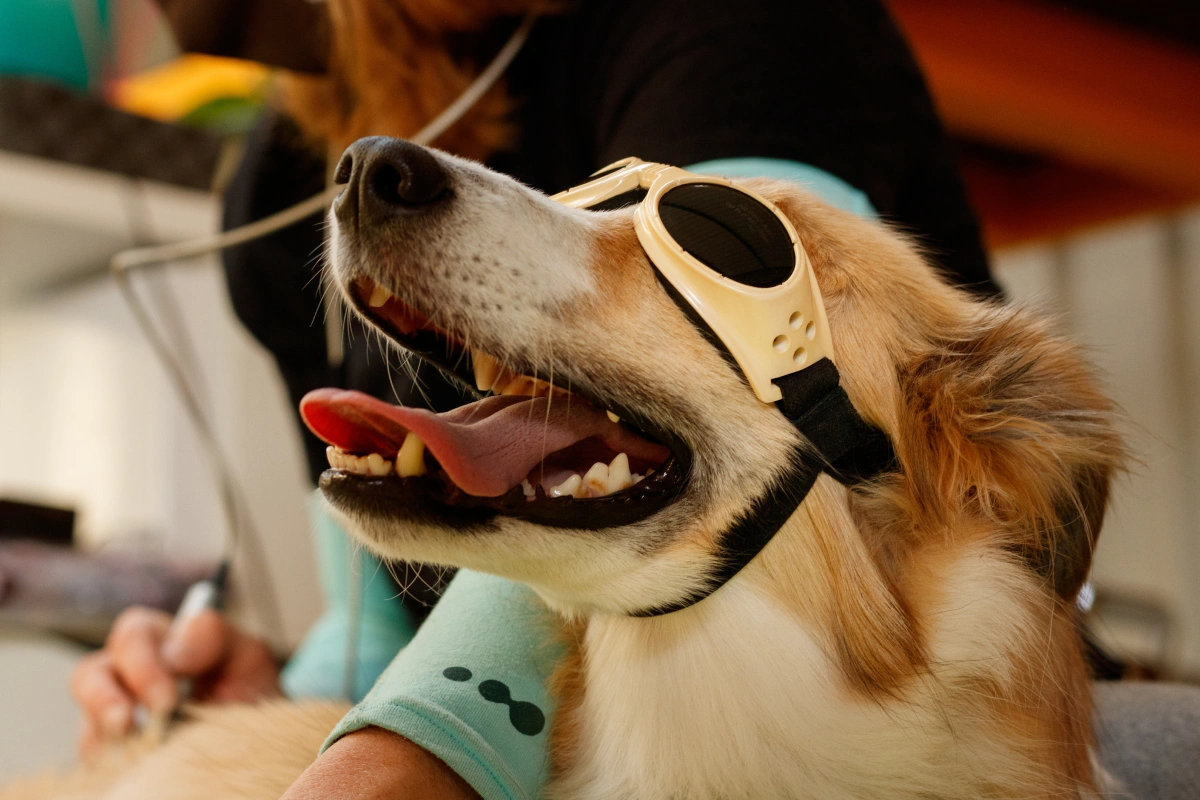
When a pet is dealing with pain, inflammation, an injury, or a slow-healing condition, finding a comfortable treatment option can make a meaningful difference in their recovery. Modern veterinary medicine offers several approaches to help pets feel better while supporting the body’s natural healing processes. One option that may be recommended for certain conditions is laser therapy.
For pet owners in Oviedo, understanding how pet laser therapy works can help you make informed decisions about your companion’s care. This gentle, non-invasive treatment uses focused light energy to support cellular activity, improve circulation, reduce inflammation, and promote tissue repair.
What Is Pet Laser Therapy?
Pet laser therapy is a non-invasive treatment that uses specific wavelengths of light to interact with cells in the body. Rather than relying on an invasive procedure, laser therapy supports the body’s natural healing processes at the cellular level.
During treatment, light energy is absorbed by cells and helps stimulate cellular activity. This process can support circulation, tissue regeneration, and healing while helping reduce discomfort and inflammation.
Because every pet and condition is different, a veterinarian will first evaluate your pet and determine whether laser therapy is an appropriate part of the treatment plan.
How Does Laser Therapy Help Pets Manage Pain?
Pain and inflammation can affect a pet’s mobility, behavior, appetite, and overall quality of life. Laser therapy may help address some of the underlying processes associated with discomfort.
The light energy used during treatment can help increase circulation and cellular function. Improved circulation delivers oxygen and nutrients to tissues, while increased cellular activity can support the body’s repair processes.
For pets experiencing certain chronic or acute conditions, these effects may contribute to:
- Reduced inflammation
- Less discomfort
- Improved blood circulation
- Faster tissue repair
- Support for damaged tissues
- Improved recovery following certain injuries or procedures
Veterinarians may recommend laser therapy as part of a broader treatment plan based on the pet’s condition, health history, and recovery needs.
What Conditions Can Laser Therapy Treat in Pets?
Laser therapy can be useful for a variety of conditions affecting dogs and cats. At an Oviedo veterinary practice, your pet may be evaluated for laser therapy when dealing with certain painful, inflammatory, or slow-healing conditions.
Some conditions that may benefit from this treatment include:
Arthritis and Joint-Related Conditions
Arthritis can cause stiffness, discomfort, and reduced mobility. Laser therapy may help reduce inflammation and support circulation around affected areas, potentially making movement more comfortable.
Muscle and Ligament Injuries
Muscle spasms and ligament injuries can interfere with normal movement. Laser therapy may support tissue repair and help manage inflammation during recovery.
Skin Wounds and Infections
Certain skin wounds may take time to heal, particularly when inflammation or tissue damage is involved. Laser therapy can support cellular activity and tissue regeneration as the affected area heals.
Surgical Incisions and Recovery
Laser therapy may also be used to support healing following certain surgical procedures. It can help promote tissue repair around an incision and may be incorporated into a pet’s recovery plan.
Oral Conditions
Certain oral conditions, including gingivitis, may also be treated with laser therapy. Your veterinarian can determine whether this approach is suitable based on your pet’s individual needs.
What Are the Benefits of Laser Therapy for Dogs and Cats?
One of the main advantages of laser therapy is that it is gentle and non-invasive. Unlike treatments that require an incision or sedation, laser therapy can generally be performed while the pet remains awake.
The treatment is also designed to work with the body’s natural healing processes. Light energy stimulates cellular activity, which can support energy production and tissue regeneration.
For appropriate patients, potential benefits include reduced inflammation, increased circulation, decreased pain, and faster healing. These benefits can be particularly helpful when a pet is recovering from an injury or managing a long-term condition.
However, laser therapy is not a universal treatment for every condition. A veterinarian should evaluate your pet before recommending it.
How Many Laser Therapy Treatments Does a Pet Need?
The number of treatments depends on the condition being addressed and how the pet responds to therapy.
Some pets recovering from certain soft tissue procedures may require only a limited number of treatments. Pets managing chronic conditions, such as arthritis or hip dysplasia, may need multiple sessions because these problems can involve deeper or ongoing tissue changes.
Your veterinarian will consider factors such as the type and severity of the condition, the location being treated, and your pet’s overall health when developing a treatment plan.
Regular follow-up evaluations can also help determine whether the treatment is producing the desired results.
What Can Pet Owners Expect During Laser Therapy?
Laser therapy is designed to be a comfortable treatment for pets. The veterinarian or veterinary team directs the therapeutic laser over the affected area, allowing the light energy to interact with the tissues.
Because the treatment is non-invasive, pets do not need an incision for laser therapy. Your veterinary team will explain what to expect and help keep your pet comfortable throughout the process.
The length and frequency of treatment can vary depending on the condition. Following your veterinarian’s recommendations is important because healing needs differ from one pet to another.
When Should You Ask a Veterinarian About Laser Therapy?
If your dog or cat has ongoing discomfort, a mobility problem, a slow-healing wound, arthritis, a muscle or ligament injury, or is recovering from a procedure, it may be worth discussing laser therapy with your veterinarian.
It is important not to assume that every painful condition should be treated with laser therapy. A proper veterinary evaluation can help identify the underlying problem and determine whether laser therapy could complement other recommended treatments.
Pet owners searching for vets near you in Oviedo can discuss their pet’s symptoms, diagnosis, and treatment options with a qualified veterinary team before beginning therapy.
Supporting Your Pet’s Recovery With the Right Veterinary Care
Managing pain and supporting healing involves more than addressing symptoms. A complete treatment plan should consider the cause of the condition, your pet’s comfort, mobility, overall health, and long-term needs.
Laser therapy can be a valuable tool for selected patients because it works at the cellular level to support circulation, reduce inflammation, and encourage tissue repair. When appropriate, it may be incorporated into a broader recovery plan developed by veterinarians.
If you are considering pet laser therapy for your dog or cat, discuss the option with the veterinary team at Alafaya Trail Animal Hospital in Oviedo. Their team can evaluate your pet and determine whether laser therapy may be appropriate for the condition being treated. If you believe your pet could benefit from this supportive treatment, schedule an appointment with our animal hospital to discuss their individual needs.
Frequently Asked Questions
1. Is laser therapy safe for dogs and cats?
Ans: Laser therapy is generally considered a gentle, non-invasive treatment when performed appropriately by a veterinary professional. Your veterinarian will determine whether it is suitable for your pet based on their condition and overall health.
2. Does laser therapy hurt pets?
Ans: Laser therapy is designed to be comfortable and non-invasive. Your veterinary team will monitor your pet during treatment and make sure they remain comfortable throughout the session.
3. Can laser therapy help pets with arthritis?
Ans: Laser therapy may help pets with arthritis by supporting circulation and reducing inflammation and discomfort. The veterinarian will determine whether it should be included in an arthritis management plan.
4. How long does a pet need laser therapy?
Ans: The number of treatments varies depending on the condition. Some pets may need limited treatment during recovery, while chronic conditions may require multiple sessions.
5. Can laser therapy help after surgery?
Ans: Laser therapy may be used to support healing around certain surgical incisions and during recovery from orthopedic procedures. Your veterinarian can determine whether it is appropriate for your pet.
6. Can both dogs and cats receive laser therapy?
Ans: Yes. Laser therapy can be used for both dogs and cats when a veterinarian determines that the treatment is appropriate for their specific condition and recovery needs.