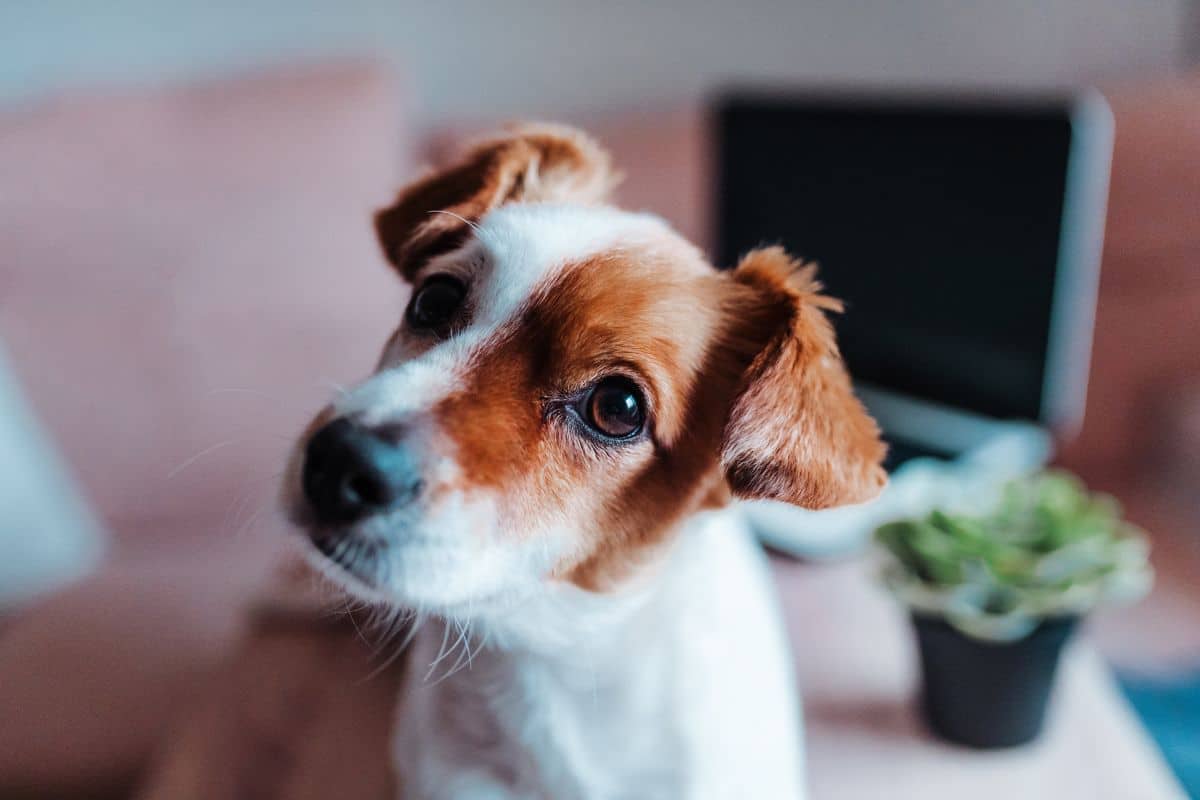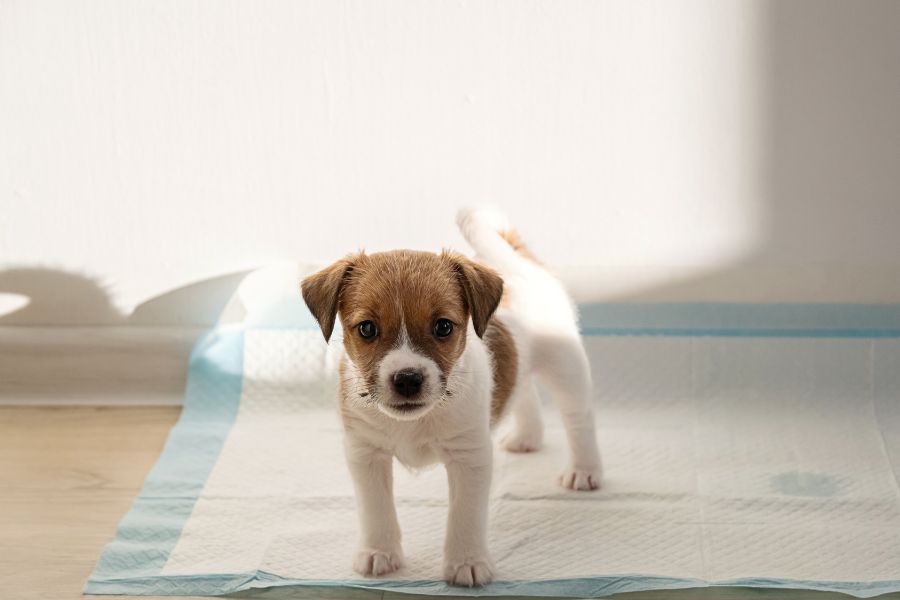
Puppy potty training can feel overwhelming for new pet parents, but with the right approach, it becomes much easier. This guide to puppy potty training will walk you through simple, effective techniques to help your pup learn quickly. Whether you’re starting from scratch or struggling with accidents, you’ll find practical tips to make potty training a puppy stress-free and successful.
What Is Puppy Potty Training and Why Does It Matter?
Puppy potty training is the process of teaching your dog where and when it’s appropriate to relieve themselves. It’s one of the first and most important lessons your puppy will learn.
Proper training helps:
- Keep your home clean and hygienic
- Build trust between you and your pet
- Prevent long-term behavioral issues
- Establish a consistent routine early on
In a pet-friendly community, where outdoor spaces and parks are abundant, having a well-trained puppy makes daily life much easier and more enjoyable.
When Should You Start Potty Training a Puppy?
The best time to begin potty training a puppy is between 8–12 weeks of age. At this stage, puppies are learning quickly and can start building good habits.
However, keep in mind:
- Puppies under 12 weeks have limited bladder control
- They may need to go out every 1–2 hours
- Consistency is more important than perfection
Even older puppies can be trained successfully it just may take a little more patience.
Essential Supplies for Puppy Potty Training
Before you begin, gather a few key items to make the process smoother:
- Crate or kennel (for safe confinement)
- Leash and collar
- Puppy training pads (optional)
- Enzymatic cleaner (to remove odor completely)
- Treats for rewards
Having the right setup helps reinforce positive behavior and reduces confusion for your puppy.
Step-by-Step Guide to Puppy Potty Training
1. Create a Consistent Schedule
Routine is everything when it comes to puppy potty training. Take your puppy outside at regular times:
- First thing in the morning
- After meals
- After naps
- Before bedtime
Consistency helps your puppy understand expectations faster.
2. Choose a Designated Potty Spot
Always take your puppy to the same area outside. The familiar scent will signal that it’s time to go..
3. Use Positive Reinforcement
Reward your puppy immediately after they go potty in the right spot. Use:
- Treats
- Verbal praise like “Good job!”
- Gentle petting
This helps your puppy associate the behavior with something positive.
4. Supervise Indoors
When your puppy is inside, keep a close eye on them. Signs they need to go include:
- Sniffing around
- Circling
- Whining
If you notice these signs, take them outside immediately.
5. Crate Training for Better Results
Dogs naturally avoid soiling their sleeping area. A crate can help teach bladder control when used correctly.
Tips for crate training:
- Keep the crate comfortable, not too large
- Never use it as punishment
- Take your puppy out immediately after crate time
Common Puppy Potty Training Mistakes to Avoid
Even with the best intentions, mistakes can slow down progress. Here are a few to watch for:
- Punishing accidents: This can create fear and confusion
- Inconsistent schedule: Leads to mixed signals
- Too much freedom too soon: Puppies need supervision
- Not cleaning accidents properly: Lingering smells encourage repeat behavior
Patience and consistency are key to success.
How Long Does Puppy Potty Training Take?
Every puppy is different, but most can be reliably trained within 4 to 6 months.
Factors that affect training time include:
- Age of the puppy
- Breed and size
- Consistency of training
- Previous habits
Smaller breeds may take longer due to smaller bladders, while larger breeds often learn faster.
Indoor vs Outdoor Potty Training
Some owners choose indoor training options, especially in apartments or during bad weather.
Indoor Training Options:
- Puppy pads
- Artificial grass patches
Outdoor Training Benefits:
- Encourages long-term habits
- Reduces indoor mess
- Aligns with natural instincts
In Oviedo’s warm climate, outdoor training is usually easier year-round.
When to Seek Help from a Veterinary Hospital
If your puppy is struggling despite consistent training, it might be time to consult a professional.
A trusted veterinary hospital in Oviedo can help identify underlying issues such as:
- Urinary tract infections
- Digestive problems
- Behavioral concerns
The vet team at Alafaya Trail Animal Hospital can provide guidance tailored to your puppy’s needs and ensure there are no medical causes behind frequent accidents.
Tips for Faster Puppy Potty Training Success
Here are some expert tips to speed up the process:
- Stick to a feeding schedule (same time every day)
- Limit water intake before bedtime
- Use a cue word like “Go potty”
- Keep training sessions calm and positive
- Be patient—accidents are part of the process
Consistency and encouragement will make a big difference.
Conclusion:
Puppy potty training doesn’t have to be stressful. With a consistent routine, positive reinforcement, and a little patience, your puppy will learn quickly. Remember, every pup is different, so stay flexible and supportive throughout the process. If you are a puppy owner in Oviedo and need expert care for your puppy, book an appointment with Alafaya Trail Animal Hospital today and give your puppy the best start in life.
FAQs
Q1: How often should I take my puppy out for potty training?
Ans: Take your puppy out every 1–2 hours, especially after eating, sleeping, or playing.
Q2: What is the hardest part of potty training a puppy?
Ans: Consistency is the biggest challenge stick to a routine is key to success.
Q3: Can I potty train a puppy in an apartment?
Ans: Yes, you can use puppy pads or designated outdoor areas to train effectively.
Q4: Why does my puppy keep having accidents after training?
Ans: This could be due to inconsistent routines, stress, or a possible medical issue.
Q5: Should I wake my puppy at night to go potty?
Ans: Yes, young puppies may need one nighttime potty break to avoid accidents.