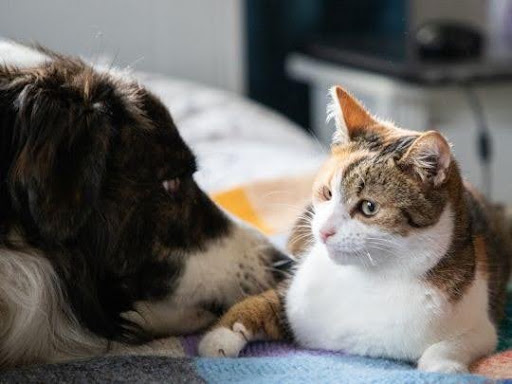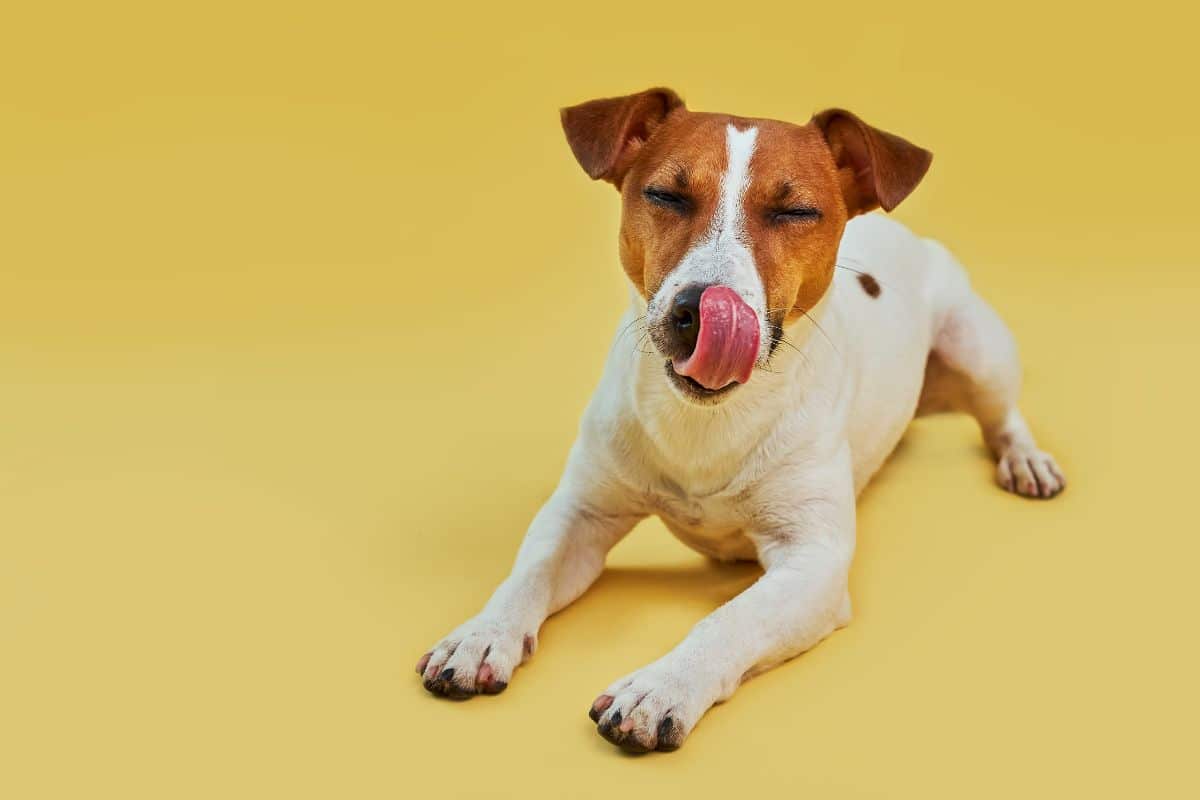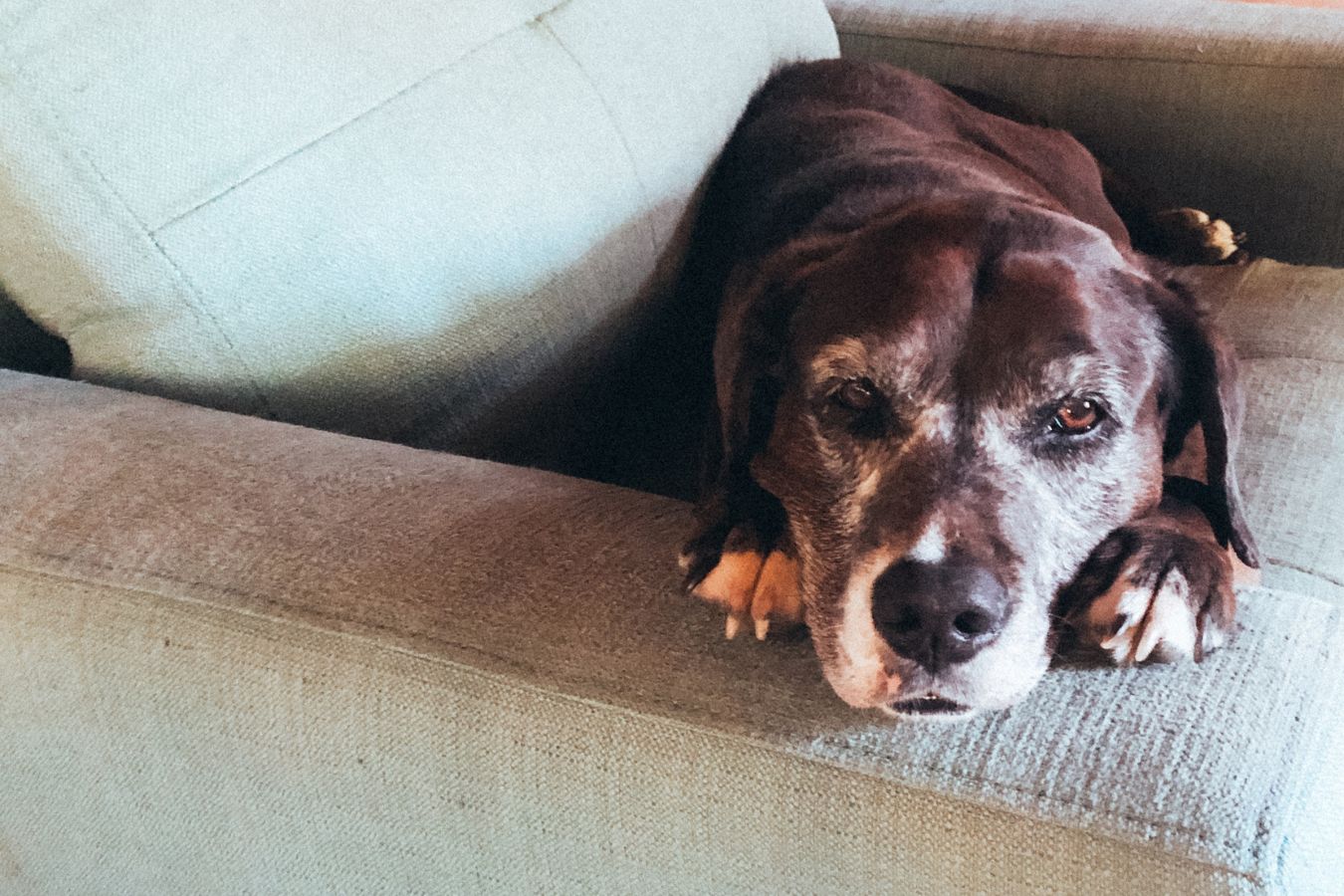
A wet patch spreading across your favorite couch cushion is annoying, but when the drool won’t stop, worry often creeps in fast. Dogs and cats naturally produce saliva, and a little extra dribble after a treat or a long car ride is completely normal. Excessive drooling in pets, however, can signal something far more concerning happening inside the mouth, throat, or stomach. Pet owners frequently brush off heavy drooling as a quirky habit, assuming it will pass on its own. Sometimes that assumption is correct. Other times, it’s an early sign of an object lodged in the throat, a painful dental problem, nausea, or even heatstroke. Knowing the difference between ordinary slobber and a genuine warning sign can save you a frantic late-night drive and, more importantly, protect your pet’s health. This guide walks through the causes, symptoms, and moments when a veterinary visit shouldn’t wait.
Understanding Excessive Drooling in Pets: What’s Normal and What’s Not
Saliva plays an important role in digestion and helps keep your pet’s mouth clean, so a bit of drool now and then is completely normal. Certain breeds, like Saint Bernards, Newfoundlands, and many bulldog types, naturally drool more because of loose jowls and facial structure. Problems arise when the amount, thickness, or timing of the drool changes suddenly.
Veterinary research suggests that oral and dental issues account for a large share of sudden drooling cases in adult pets. When dog drooling too much becomes the norm rather than the exception, it usually points to an underlying trigger rather than simple anatomy. In our experience, pet owners notice the shift long before they notice other symptoms, because drool is hard to miss on furniture and floors.
Warning Signs That Point To A Bigger Problem
Not every drooly moment needs a vet visit, but some patterns are worth watching closely. Pet owners often tell us they assumed heavy drool was just a hot afternoon until their dog also started pawing frantically at its mouth.
- Sudden onset with no clear cause: Drooling that starts abruptly, without a treat or hot day involved, deserves attention.
- Drooling paired with pawing at the mouth: This often signals pain, an object stuck between the teeth, or a broken tooth.
- Foul odor mixed with saliva: A strong smell can point to infection, dental disease, or something rotting in the mouth.
- Drool combined with vomiting or lethargy: This combination often suggests nausea, poisoning, or a digestive blockage.
- Drooling with labored breathing: This pairing can point toward airway obstruction or heat-related stress.
Cat excessive drool causes are often different from what triggers heavy drooling in dogs, since cats rarely drool from breed traits alone. In Florida, high humidity and heat can intensify several of these symptoms during warmer months. If you notice any of these signs, contact your veterinarian promptly.
What Does Sudden Drooling In Dogs Actually Mean?
Sudden drooling in dogs most often means irritation or pain somewhere between the mouth and stomach, ranging from a stuck toy fragment to nausea from something they ate. It can also point to heatstroke, especially in warmer climates, or dental disease flaring up without warning. The sudden change matters more than the amount, since pets can go from calm to soaked within minutes.
Pet owners in Orlando often see this increase during Florida’s long, humid summers, when heat-related drooling becomes more common than in cooler regions. General veterinary estimates suggest that heat stress and gastrointestinal upset together explain a substantial share of unexpected drooling cases in dogs. Many pet owners believe drooling always points to a dental issue, but nausea, anxiety, and heat stress cause it just as often, and treating only the teeth can leave the real cause unaddressed.
How Veterinarians Diagnose And Treat Heavy Drooling
Diagnosing the root cause starts with a physical exam and a detailed history from the pet owner. Veterinarians typically check the mouth first, then move outward if nothing obvious appears.
- Oral examination: The vet checks teeth, gums, and the back of the throat for foreign objects or dental disease.
- Bloodwork: This rules out organ issues, toxin exposure, or infection that could explain the drooling.
- Imaging: X-rays or ultrasound help spot blockages, tumors, or swelling not visible during the exam.
- Targeted treatment: Once the cause is identified, treatment might include dental care, anti-nausea medication, or removing an obstruction.
One of the most common questions we get is why dog drooling too much doesn’t always show up alongside other obvious symptoms. In our vet clinic near Orlando, we’ve seen cases where drooling was the only visible sign until bloodwork revealed early kidney stress. Corrine Drive Animal Hospital’s veterinary team walks pet owners through each step so nothing feels rushed or confusing.
Knowing When To Seek Same-Day Veterinary Help
If drooling appears suddenly alongside vomiting, difficulty breathing, or a swollen face, don’t wait to see if it resolves on its own. These combinations often call for prompt, same-day veterinary attention rather than a wait-and-see approach.
Corrine Drive Animal Hospital serves pet owners throughout Orlando who need dependable pet urgent care when symptoms escalate quickly. Our team understands how stressful sudden changes in your pet’s health can feel, and we prioritize walk-in cases involving breathing trouble or unexplained drooling. Searching for urgent vet care shouldn’t add to the stress of an already worrying moment.
Call us at 407-895-3774 when your pet needs urgent care, and our staff will help you determine the right next step.
Drooling is one of those symptoms that’s easy to dismiss until it isn’t. Most of the time, a little extra saliva means nothing more than an exciting smell or a warm afternoon. But when excessive drooling in pets shows up suddenly, lingers, or comes paired with other symptoms like vomiting, pawing at the mouth, or breathing changes, it deserves a closer look. Trusting your instincts as a pet owner matters here. You know your dog or cat’s normal habits better than anyone, and any noticeable shift is worth mentioning to your vet. Don’t wait for symptoms to worsen before reaching out for guidance. Book an appointment today.
Frequently Asked Questions
Q1: Why does my dog drool more than usual after eating?
Ans: Occasional drool after enticing food or treats is normal, but if the drooling continues well past mealtime, it may point to nausea, dental discomfort, or an object caught between the teeth.
Q2: What are common cat excessive drool causes besides dental problems?
Ans: Cats often drool from car sickness, stress, exposure to a toxic plant, or an upper respiratory infection, not just from teeth issues alone.
Q3: Does sudden drooling in dogs always require urgent veterinary attention?
Ans: Not always, but any sudden, unexplained increase deserves a closer look, especially if it comes with vomiting, pawing at the mouth, or noisy breathing.
Q4: When should I search for urgent vet care instead of waiting?
Ans: If drooling appears alongside difficulty breathing, a swollen face, repeated vomiting, or sudden collapse, searching for urgent vet care right away is the safer choice.
Q5: Can drooling problems in pets be prevented?
Ans: Regular dental checkups, keeping small objects out of reach, and monitoring your pet during hot weather can lower the risk, though some causes aren’t preventable.