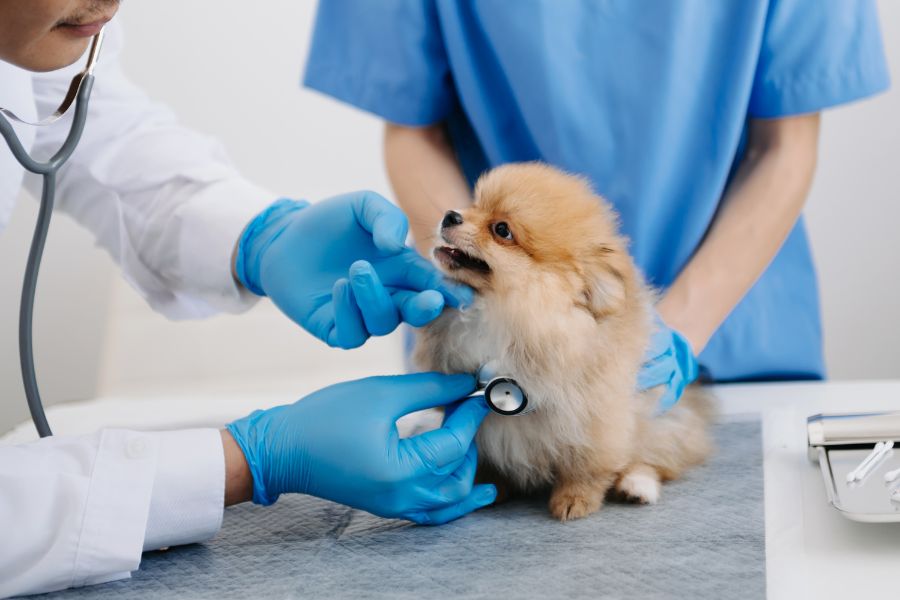
Pet owners often wonder how frequently their animals should see a veterinarian. When a pet appears healthy, playful, and energetic, it might seem unnecessary to schedule regular checkups. However, routine veterinary visits are essential for identifying health problems early, helping maintain your pet’s long-term well-being, and improving their quality of life.
This guide explains how often pets need to visit the veterinarian, what typically happens during these visits, and why a pet wellness exam is more important than many pet owners realize.
Why Routine Veterinary Visits Matter More Than You Think
Pets age faster than humans, and their health can change quietly over time. Dogs and cats are especially good at hiding discomfort or pain, so regular vet checkups for pets are important. An annual exam might seem straightforward, but it helps a veterinarian spot small changes before they turn into more serious issues.
In Orlando, pets face constant risks from parasites, seasonal allergies, and heat. Visiting the vet regularly allows for ongoing monitoring and adjustments to their care. Preventive pet care makes health management easier, less stressful, and more successful than waiting until a problem becomes advanced.
How Often Do Puppies and Kittens Need Vet Visits?
Young pets need frequent visits to the veterinarian during their first year because they are still growing and developing both physically and immunologically. Providing early care is important to support their health and well-being.
In the first few months, visits are usually scheduled every three to four weeks. During these appointments, we typically check your progress and address any questions or concerns you might have. These appointments usually would include the following:
- Vaccinations to build immunity
- Parasite screening and prevention
- Growth and weight monitoring
- Nutritional guidance
- Behavioral and social development checks
For many pet owners, this stage usually includes house and leash training, as well as helping their pets get used to social interactions. Regular visits to the veterinarian during this period offer reassurance and helpful advice as your pet adjusts to their new surroundings.
How Often Should Adult Pets See the Vet?
Most healthy adult dogs and cats benefit from a visit to the veterinarian once a year. These pet wellness exams help focus on preventing health issues, catching problems early, and keeping your pets in good overall condition.
A typical adult wellness visit usually includes:
- Full physical checkup
- Weight assessment
- Overall body condition
- Dental health evaluation
- Parasite screening
- Update vaccines
- Lifestyle habits
- Nutrition to ensure overall well-being.
Pets that stay active year-round need annual checkups to monitor joint health, skin issues, and environmental allergies. These visits are important because some problems may not be obvious at home.
Why Senior Pets Need More Frequent Checkups
As pets grow older, their health requirements change. Senior dogs and cats should have veterinary checkups at least twice a year, even if they seem healthy, to ensure they stay as comfortable and happy as possible.
Older pets are more prone to conditions such as:
- Arthritis and mobility issues
- Kidney or liver disease
- Heart conditions
- Dental disease
- Vision or hearing loss
Taking your pet to the nearest veterinarian every six months helps catch age-related health changes early when they are easier to manage. For older pets in Orlando, where the heat and humidity can add extra stress, regular checkups become even more necessary.
Pets with Chronic Conditions or Special Needs
Pets with ongoing health issues often need more regular visits to the veterinarian. Conditions such as diabetes, thyroid problems, allergies, or heart disease typically require careful monitoring and changes to treatment plans to keep your pet comfortable and healthy.
More frequent visits allow your veterinarian to:
- Track treatment effectiveness
- Adjust medications safely
- Monitor bloodwork or imaging results
- Address new symptoms promptly
Consistent care ensures that pets with long-term health issues stay comfortable and active, even as their needs change over time.
Signs Your Pet May Need an Unscheduled Vet Visit
Vet checkups for pets are important for your pet’s health, but there are certain signs that should prompt you to reach out to your nearest veterinarian immediately rather than waiting for the next appointment.
- Changes in appetite or water intake
- Sudden weight loss or gain
- Persistent vomiting or diarrhea
- Limping or difficulty moving
- Changes in behavior or energy levels
- Excessive scratching or hair loss
- Bad breath or difficulty eating
Pets are often outside where they can be exposed to environmental factors, parasites, or heat stress, which can sometimes cause sudden health symptoms. Early assessment by a veterinarian can help prevent more serious health issues from developing.
How Preventive Care Reduces Long-Term Health Risks
Preventive care involves more than just vaccinations. Regular visits help veterinarians understand your pet’s health history, making it easier to notice small changes over time.
Preventive care supports:
- Early disease detection
- Better dental health
- Weight management
- Parasite control
- Longer, healthier lives
Many pet owners are surprised to discover how much they can learn from a routine veterinary exam. These regular visits play an important role in ensuring small health concerns are addressed early, before they develop into bigger problems.
Making Vet Visits Easier for You and Your Pet
For some pets, vet visits can cause stress or anxiety. Establishing a routine helps pets feel more comfortable over time. Bringing familiar items, scheduling appointments at quieter times, and maintaining calm energy can make visits easier.
In Orlando, people’s busy schedules mean that planning routine visits in advance is important to prevent delays or oversights. Consistency is essential for both pet owners and their pets.
Turn Routine Visits Into Protection
Every pet has different vaccination and healthcare needs, but regular visits to the veterinarian are important at all stages of life. Young puppies and kittens require frequent checkups early on. Adult pets should have yearly exams to stay healthy, while senior pets might need more regular monitoring. These visits are important for keeping your pet healthy and helping them live a happy, long life.
If you are uncertain about how often your pet needs to see a veterinarian or have any concerns about their health, Corrine Drive Animal Hospital is available to assist you. You can contact our team to schedule an appointment and make sure your pet gets the care they need right here in Orlando, Florida.
FAQs
- Is it really necessary to take my pet to the vet every year if they seem healthy?
Pets often hide signs of illness, which makes it difficult to notice problems at home. Regular annual exams are important because they can detect early health issues that may not be obvious. These checkups help start treatment early, before health issues become serious or harder to treat.
- How often should indoor pets visit the vet?
Even indoor pets still need regular visits to the veterinarian. They can suffer from dental problems, weight gain, or other health issues not caused by being outside. Regular checkups each year are important for monitoring their overall health and well-being, no matter how they live.
- Do senior pets really need to go to the vet twice a year?
Yes. Pets age faster than humans, and their health can change quickly. Visiting the veterinarian twice a year helps catch age-related health issues early and allows for adjustments in care to keep pets comfortable and happy.
- How do I know if my pet needs an extra vet visit between annual exams?
Noticing any changes in appetite, behavior, movement, or bathroom habits is important and should be checked. If something doesn’t seem quite right, it is better to have it looked at sooner rather than waiting until the next regular visit.
- Can regular vet visits actually help my pet live longer?
Absolutely. Preventive care helps detect health issues early and manage them effectively, reducing the risk of complications. Pets that get regular veterinary checkups tend to live longer and healthier lives.