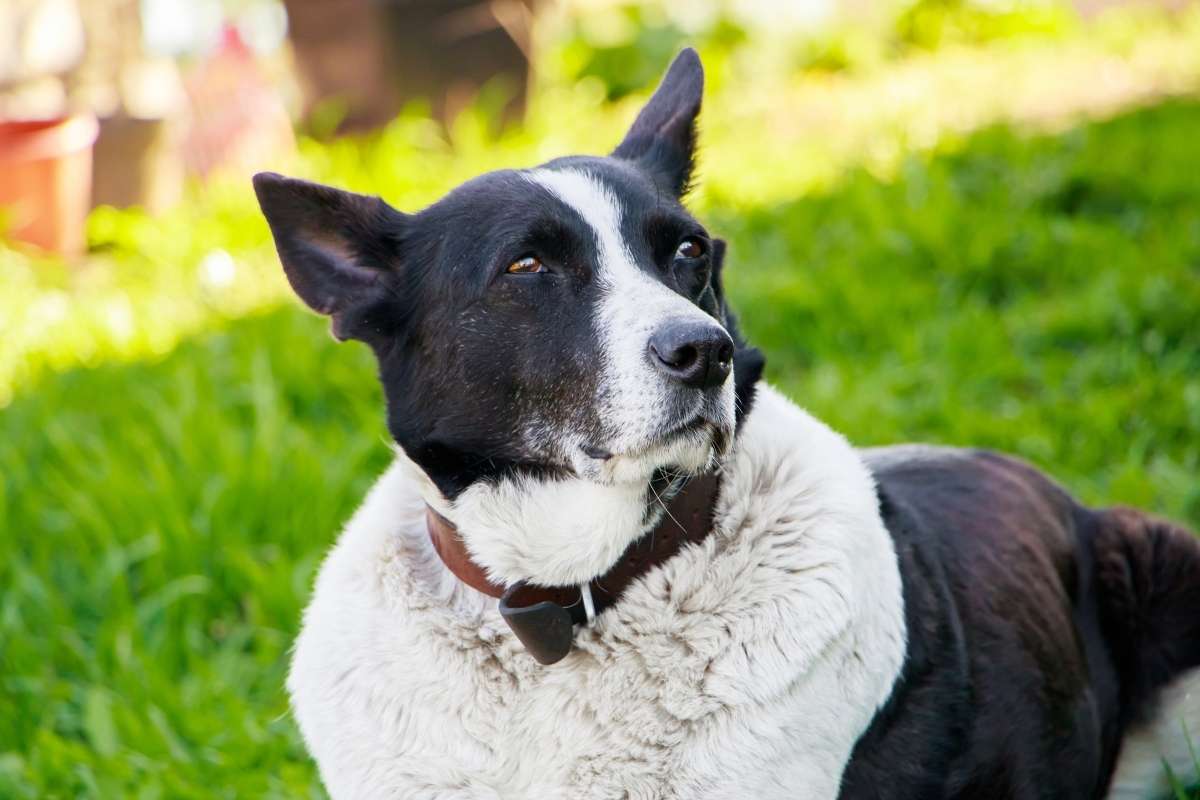
Maintaining a healthy weight is essential for your dog’s overall well-being. Just like humans, dogs can suffer from obesity, which can lead to serious health problems such as joint pain, diabetes, and heart disease. If your dog is overweight, it’s important to take a safe and structured approach to weight loss under proper veterinary guidance.
At Eastwood Animal Hospital in Orlando, pet owners have access to professional care and personalized plans to help dogs achieve a healthier lifestyle.
Why a Healthy Weight Matters for Dogs
Excess weight puts unnecessary strain on your dog’s body. Over time, this can reduce their quality of life and increase the risk of chronic health conditions.
Some common risks of obesity in dogs include:
- Joint and mobility issues
- Heart and respiratory problems
- Diabetes
- Reduced lifespan
Helping your dog maintain a healthy weight ensures they stay active, comfortable, and happy for years to come.
Signs Your Dog May Be Overweight
It’s not always easy to tell if your dog is overweight, especially if the weight gain happens gradually. However, there are some clear signs to watch for:
- Difficulty feeling your dog’s ribs
- Lack of a visible waistline
- Decreased energy levels
- Reluctance to exercise or play
- Rapid weight gain
If you notice these symptoms, it may be time to consult a veterinarian for a proper evaluation.
Consult a Veterinarian Before Starting a Weight Loss Plan
Before making any changes to your dog’s diet or exercise routine, it’s important to seek professional advice. A veterinarian can determine your dog’s ideal weight and identify any underlying medical conditions contributing to weight gain.
Your vet may:
- Assess your dog’s body condition score
- Recommend a target weight
- Develop a safe and gradual weight loss plan
This step ensures your dog loses weight safely without compromising their health.
Adjusting Your Dog’s Diet Safely
Diet plays a crucial role in weight management. Simply reducing food portions is not always the best approach, as it can lead to nutritional deficiencies.
Instead, focus on:
- Feeding high-quality, balanced dog food
- Switching to a weight management formula if recommended
- Measuring portions accurately
- Limiting treats and table scraps
Healthy treats like small portions of vegetables can be a better alternative to high-calorie snacks.
Creating a Consistent Exercise Routine
Exercise is essential for burning calories and improving your dog’s overall fitness. However, it’s important to start slowly, especially if your dog is significantly overweight.
Some safe exercise options include:
- Daily walks
- Light play sessions
- Swimming (low-impact and joint-friendly)
- Interactive toys to encourage movement
Gradually increase the duration and intensity of activities as your dog becomes more comfortable.
Monitoring Progress and Staying Consistent
Weight loss in dogs should be gradual and steady. Rapid weight loss can be harmful and may lead to other health complications.
Track your dog’s progress by:
- Weighing them regularly
- Observing changes in energy levels
- Noting improvements in mobility
Consistency is key. Stick to the recommended diet and exercise plan to achieve long-term results.
Avoiding Common Weight Loss Mistakes
Many pet owners unintentionally make mistakes that can slow down progress. Avoid the following:
- Overfeeding treats
- Giving in to begging behavior
- Skipping regular exercise
- Making sudden diet changes without guidance
Working closely with a veterinary professional helps prevent these issues and keeps your dog on the right track.
The Role of Preventive Veterinary Care
Regular checkups play a vital role in managing your dog’s weight. Preventive veterinary care allows early detection of health issues and ensures your dog stays on a healthy path.
Routine visits help:
- Monitor weight loss progress
- Adjust diet and exercise plans
- Identify underlying health concerns
If you’re unsure where to start, it’s always a good idea to book an appointment with a trusted veterinary team.
How Eastwood Animal Hospital Supports Your Pet’s Health
Eastwood Animal Hospital in Orlando is dedicated to providing compassionate and comprehensive care for pets. Their experienced team understands that every dog is unique and requires a personalized approach to weight management.
From nutritional counseling to ongoing health monitoring, their goal is to help your dog achieve a healthy weight safely and effectively.
Long-Term Tips for Maintaining a Healthy Weight
Once your dog reaches their ideal weight, maintaining it is just as important. Here are some tips to keep your pet healthy:
- Stick to a balanced diet
- Maintain regular exercise
- Schedule routine vet visits
- Monitor weight changes regularly
A healthy lifestyle ensures your dog stays active and enjoys a better quality of life.
Frequently Asked Questions:
1. How fast should my dog lose weight?
Weight loss should be gradual, typically around 1–2% of body weight per week. Rapid weight loss can be harmful and should be avoided.
2. Can I just reduce my dog’s food intake to help them lose weight?
Not always. Simply cutting food portions can lead to nutrient deficiencies. It’s best to consult a veterinarian for a balanced diet plan.
3. What are the best exercises for overweight dogs?
Low-impact activities like walking and swimming are ideal. Start slowly and increase intensity over time.
4. Are treats allowed during weight loss?
Yes, but in moderation. Choose low-calorie treats and include them in your dog’s daily calorie intake.
5. How do I know if my dog is at a healthy weight?
You should be able to feel your dog’s ribs without excess fat, and they should have a visible waistline.
6. When should I see a veterinarian about my dog’s weight?
If you notice weight gain, reduced activity, or health concerns, consult a veterinarian for guidance and a safe weight loss plan.