

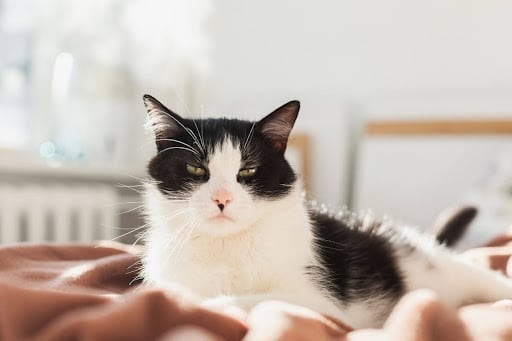
Have you ever heard your cat make a quick, birdlike sound and wondered what it means? Cat chirping is one of the more interesting ways cats communicate. Unlike a typical meow or purr, a chirp is usually short, high-pitched, and sometimes accompanied by rapid jaw movements. Cats may make this sound while watching birds through a window, playing with toys, greeting their owners, or showing curiosity about something in their surroundings.
For cat owners, understanding these vocalizations can offer valuable insight into feline behavior. Chirping is generally a normal part of a cat’s communication style, but the situation surrounding the sound matters. Paying attention to your cat’s body language, environment, and other behaviors can help you understand why the chirp is happening.
What Is Cat Chirping?
Cat chirping is a brief vocalization that can sound somewhat like a bird’s tweet. Some cats produce a single chirp, while others make a rapid series of chattering or trilling sounds. The sound can vary significantly between individual cats.
Unlike a prolonged meow, chirping is usually quick and rhythmic. Some cats also move their jaws rapidly when they chirp, especially when they are watching birds or other potential prey. These sounds are often associated with heightened attention and excitement.
There is no single explanation for every chirp. A cat may chirp because it is excited, curious, playful, socially engaged, or intensely focused on something. Understanding the circumstances surrounding the sound is therefore more useful than trying to assign one fixed meaning to every chirp.
Why Do Cats Chirp?
If you have wondered, “Why do cats chirp?” the answer often depends on what is happening around them. Cats have individual personalities, and the same vocalization may serve different purposes in different situations.
Several common reasons can explain this behavior.
Cats Chirp When They See Birds or Prey
One of the most familiar examples is a cat chirping at birds. Indoor cats may sit near a window and become intensely focused when they see birds, squirrels, insects, or other small animals outside.
This response is closely connected to a cat’s natural hunting instincts. Even cats that have never hunted still retain predatory behaviors inherited from their wild ancestors. Watching a potential target can activate intense excitement and concentration.
The rapid jaw movement sometimes seen during this behavior may resemble the movement involved in a hunting bite. Some theories also suggest that the sound may imitate prey vocalizations, although there is no single confirmed explanation for every cat’s behavior.
Chirping Can Show Excitement or Curiosity
Cats may also chirp when they encounter something interesting. A new toy, an unusual sound, movement outside the window, or an unfamiliar object can capture a cat’s attention.
In these situations, chirping may simply be an expression of heightened arousal or curiosity. You may notice your cat staring intently, moving its ears toward the sound, widening its eyes, or positioning its body toward whatever has caught its attention.
Looking at these accompanying behaviors can make the vocalization easier to interpret.
Cats May Chirp During Play
Play can activate many of the same instincts involved in hunting. A cat chasing a feather wand, batting at a toy mouse, or pouncing on a moving object may chirp while playing.
This is particularly common when a toy moves unpredictably and encourages stalking or chasing. Your cat may crouch low, wiggle its body, focus closely on the toy, and then suddenly pounce.
If chirping consistently occurs during energetic, relaxed play, it is generally not a reason for concern. Providing appropriate interactive toys can give your cat a safe outlet for these natural behaviors.
What Does a Cat Chirp Mean When Directed at People?
Not every cat chirps at birds or toys. Some cats use chirping as part of their interactions with people.
Your cat may chirp when you enter a room, approach its food bowl, pick up a favorite toy, or begin interacting with it. In these situations, the sound may function as a social signal.
Some cats may use chirping to:
- Greet their owners
- Get attention
- Encourage interaction
- Express excitement
- Show interest in an activity
- Ask for something they associate with a positive experience
Cats develop individual communication patterns with the people they live with. Over time, you may begin to recognize what different sounds mean based on when and where they occur.
How Body Language Helps Explain Cat Chirping
Vocalizations are only one part of feline communication. To understand what your cat’s chirp means, pay attention to the rest of its body.
Relaxed Body Language
A cat that chirps while remaining relaxed may simply be curious, playful, or socially engaged. Signs of relaxation can include a normal posture, soft facial expression, naturally positioned ears, and comfortable movement.
If the cat quickly returns to normal activities afterward, the chirping is likely part of its everyday communication.
Focused or Excited Body Language
A cat watching a bird may have a very different posture. It may become extremely still, stare toward the window, move its ears forward, and make quick chirping or chattering sounds.
This combination usually indicates intense interest in the object or activity.
Signs of Stress or Discomfort
Context becomes particularly important when chirping occurs alongside unusual behavior. Hiding, restlessness, changes in appetite, reduced interaction, unusual vocalization, difficulty moving, or other noticeable changes may warrant closer attention.
A sudden change in your cat’s normal vocal patterns does not automatically mean there is a medical problem. However, a persistent change combined with other concerning signs should not be ignored.
Is Cat Chirping Normal?
For many cats, chirping is completely normal. It can be part of their natural vocal repertoire and may occur regularly during bird watching, play, exploration, or social interaction.
The important consideration is whether the behavior is consistent with your cat’s usual personality and circumstances.
For example, a cat that has always chirped at birds and remains otherwise healthy is generally demonstrating a normal behavioral response. On the other hand, if your cat suddenly begins making unusual sounds and also shows changes in appetite, activity, litter box habits, breathing, or general behavior, it is worth discussing those changes with a veterinarian.
Routine veterinary care can also help you understand whether a behavioral change is simply part of your cat’s personality or something that deserves further evaluation. A veterinary hospital near you can provide an appropriate examination when your cat’s behavior changes unexpectedly.
How to Respond When Your Cat Chirps
You do not necessarily need to stop your cat from chirping. In most situations, it is simply a form of communication or an expression of excitement.
Instead, observe what happens immediately before and after the sound. Ask yourself:
- What has caught my cat’s attention?
- Is my cat watching an animal, toy, or person?
- Does the chirping happen during play?
- Does my cat appear relaxed or distressed?
- Is this behavior typical for my cat?
If your cat chirps while watching birds from a safe indoor location, you can allow it to observe them. Interactive play can also provide an appropriate outlet for hunting behaviors.
Puzzle toys, wand toys, and supervised play sessions can provide mental stimulation. Rotating toys can also help maintain your cat’s interest and prevent the environment from becoming predictable.
When Should You Be Concerned About a Cat’s Vocalization?
Chirping itself is usually not a problem. However, changes in vocalization should be considered alongside your cat’s overall health and behavior.
Pay closer attention if chirping is accompanied by:
- Difficulty breathing
- Signs of pain or discomfort
- Significant lethargy
- Loss of appetite
- Repeated vomiting or diarrhea
- Trouble walking or standing
- Sudden behavioral changes
- Excessive hiding
- Difficulty urinating or passing stool
These signs can have many possible causes and should be evaluated appropriately rather than being attributed to chirping alone. If your cat’s behavior seems significantly different from normal or you are unsure whether a change is concerning, contact our animal hospital for guidance.
Alafaya Trail Animal Hospital provides comprehensive veterinary services for cats and dogs in Oviedo, including wellness examinations, dental care, internal medicine, surgery, allergy and dermatology care, laser therapy, and other veterinary services.
How Regular Veterinary Care Supports Your Cat’s Well-Being
Understanding your cat’s normal behavior is an important part of responsible pet ownership. Regular veterinary examinations provide another opportunity to discuss behavioral changes and other concerns.
During a wellness examination, veterinarians can assess your cat from nose to tail, evaluate vital signs, discuss health history, and recommend appropriate diagnostic testing when necessary.
If you are searching for a vet in Oviedo, choosing a veterinary team familiar with feline behavior can make it easier to discuss unusual vocalizations and other changes. Consistent veterinary care in Oviedo also helps establish a baseline for your cat’s normal health, making it easier to recognize meaningful changes over time.
Understanding Your Cat’s Unique Voice
Every cat has its own personality and communication style. Chirping may sound unusual, but in many cases, it is simply another way cats express excitement, curiosity, social interest, or hunting-related behavior. Paying attention to your cat’s surroundings and body language can help you understand these sounds more accurately.
The goal is not to interpret every chirp as having one specific meaning. Instead, look at the complete picture. A playful cat chirping at a toy is communicating differently from a cat making unusual sounds while appearing uncomfortable.
By observing these small behavioral details and maintaining regular veterinary care, you can become more familiar with your cat’s individual needs. For pet owners seeking dependable veterinary care in Oviedo, Alafaya Trail Animal Hospital offers comprehensive care and a compassionate veterinary team focused on supporting the health and well-being of cats and dogs.
Frequently Asked Questions
1. Why does my cat chirp at birds?
Ans: Cats often chirp at birds because watching potential prey activates their natural hunting instincts. The behavior may reflect excitement, intense focus, or frustration because the cat cannot reach the bird.
2. Is it normal for cats to chirp instead of meow?
Ans: Yes. Cats have individual vocal repertoires, and some naturally use chirps, trills, or chattering sounds more frequently than others. Chirping can be a normal form of communication.
3. Why does my cat chirp at me?
Ans: Your cat may chirp at you as a greeting or to get your attention. It can also happen when your cat wants to play, interact, or receive something it associates with a positive experience.
4. Do kittens chirp?
Ans: Yes. Kittens can make chirping and other vocalizations as they explore their surroundings and interact with people, animals, toys, and their mothers. Individual kittens may develop different communication styles.
5. Should I stop my cat from chirping?
Ans: Usually, there is no reason to stop normal chirping. Instead, observe the situation that triggers it and provide appropriate enrichment, such as interactive toys and supervised play.
6. When should I talk to a veterinarian about chirping?
Ans: Consider speaking with a veterinarian if chirping is a sudden or persistent change, particularly when it occurs alongside signs such as pain, breathing difficulty, appetite changes, lethargy, or other unusual behavior.