Dental health is a crucial part of your pet’s overall well-being, yet it is often overlooked by pet owners. Dogs and cats can develop dental problems just like humans, and without proper care, these issues can lead to pain, infection, and more serious health conditions. Understanding the early warning signs can help you take timely action and protect your pet’s health.
At Maitland Animal Hospital, our veterinary team is dedicated to helping pets maintain healthy teeth and gums through preventive care and professional dental services.
Why Dental Health Matters for Pets
Oral health plays a significant role in your pet’s overall quality of life. Poor dental hygiene can lead to conditions such as periodontal disease, tooth decay, and infections that may spread to vital organs like the heart and kidneys.
Regular dental care helps:
- Prevent bad breath and oral discomfort
- Reduce the risk of gum disease
- Support better eating habits
- Improve overall health and longevity
A qualified veterinarian can identify dental concerns early and recommend the best treatment plan for your pet.
Common Signs of Dental Problems in Pets
Recognizing the symptoms of dental issues is the first step toward effective treatment. Here are some of the most common signs to watch for:
1. Persistent Bad Breath
Bad breath is often one of the earliest signs of dental disease in pets. While mild odor can be normal, strong or foul-smelling breath may indicate bacteria buildup, gum disease, or infection.
2. Yellow or Brown Tartar Buildup
Tartar accumulation on your pet’s teeth is a clear sign of poor oral hygiene. This buildup can lead to plaque formation, which irritates the gums and causes inflammation.
3. Red, Swollen, or Bleeding Gums
Healthy gums should be pink and firm. If you notice redness, swelling, or bleeding, it may indicate gingivitis or more advanced periodontal disease.
4. Difficulty Eating or Chewing
Pets with dental pain may struggle to eat or chew their food. You might notice:
- Dropping food while eating
- Chewing on one side of the mouth
- Avoiding hard food or treats
These signs often point to underlying oral discomfort.
5. Excessive Drooling
Increased drooling can be a sign of oral irritation or infection. In some cases, drool may contain blood or have an unusual odor.
6. Pawing at the Mouth or Face
If your pet frequently paws at their mouth or rubs their face against objects, it could indicate dental pain or irritation.
7. Loose or Missing Teeth
Loose teeth are not normal in adult pets and often signal advanced dental disease. Immediate attention from a veterinarian is necessary to prevent further complications.
What Causes Dental Problems in Dogs and Cats?
Several factors contribute to dental issues in pets, including:
- Poor oral hygiene
- Lack of regular dental cleanings
- Diet and nutrition
- Age-related changes
- Genetics and breed predisposition
Without proper care, plaque hardens into tartar, leading to gum disease and tooth damage over time.
The Importance of Professional Veterinary Dental Care
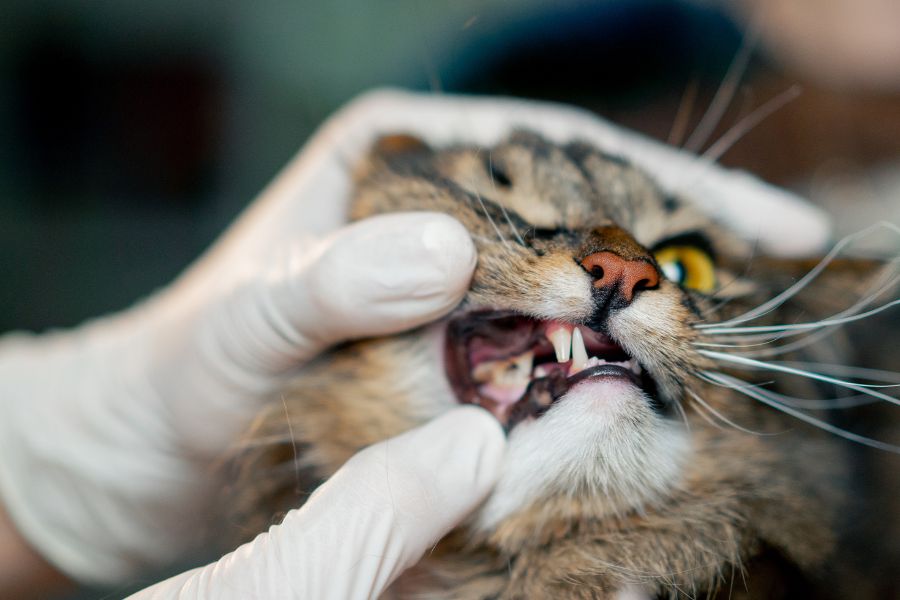
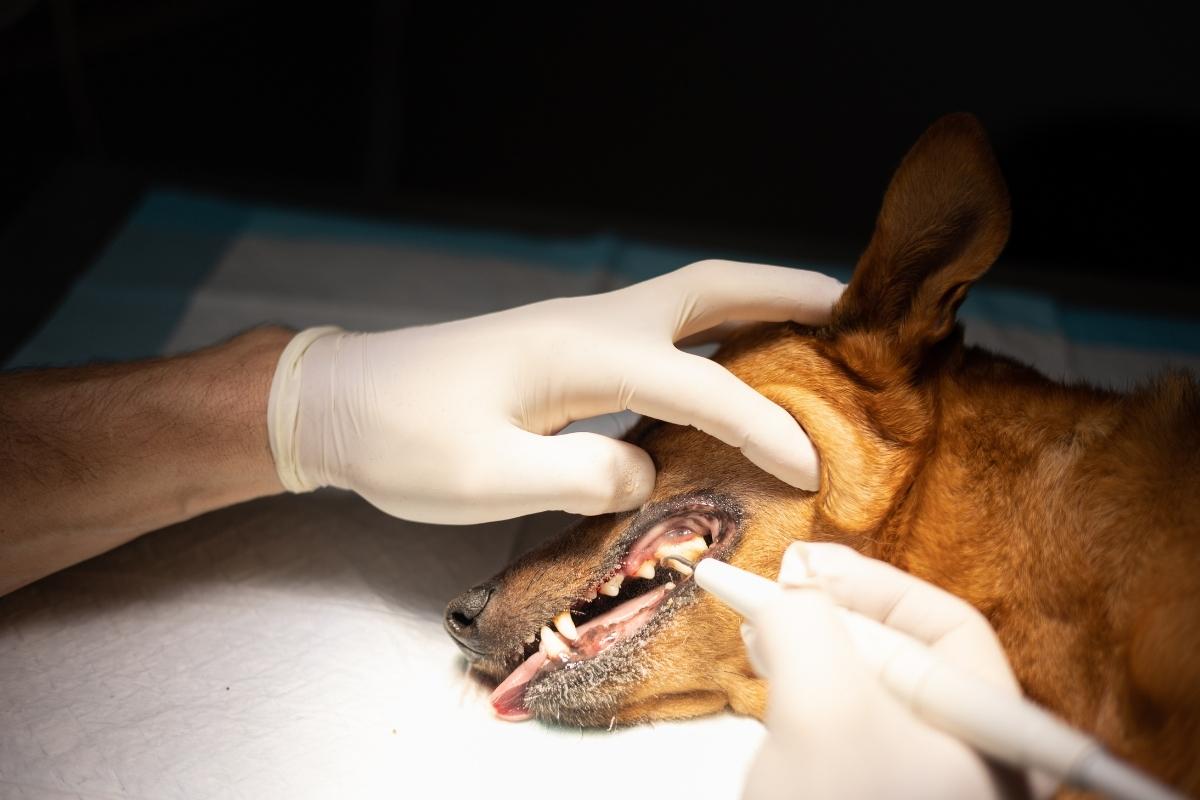
While at-home care is essential, professional dental cleanings are equally important. A veterinary dental exam allows for a thorough evaluation of your pet’s oral health.
Professional care may include:
- Dental examinations
- Teeth cleaning and scaling
- Polishing to prevent plaque buildup
- Tooth extractions if necessary
These procedures help maintain oral health and prevent more serious conditions from developing.
Preventing Dental Problems in Pets
Prevention is the best approach when it comes to dental health. Here are some simple ways to protect your pet’s teeth:
Regular Brushing
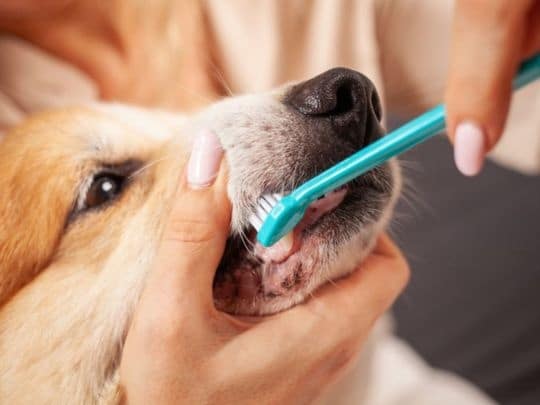
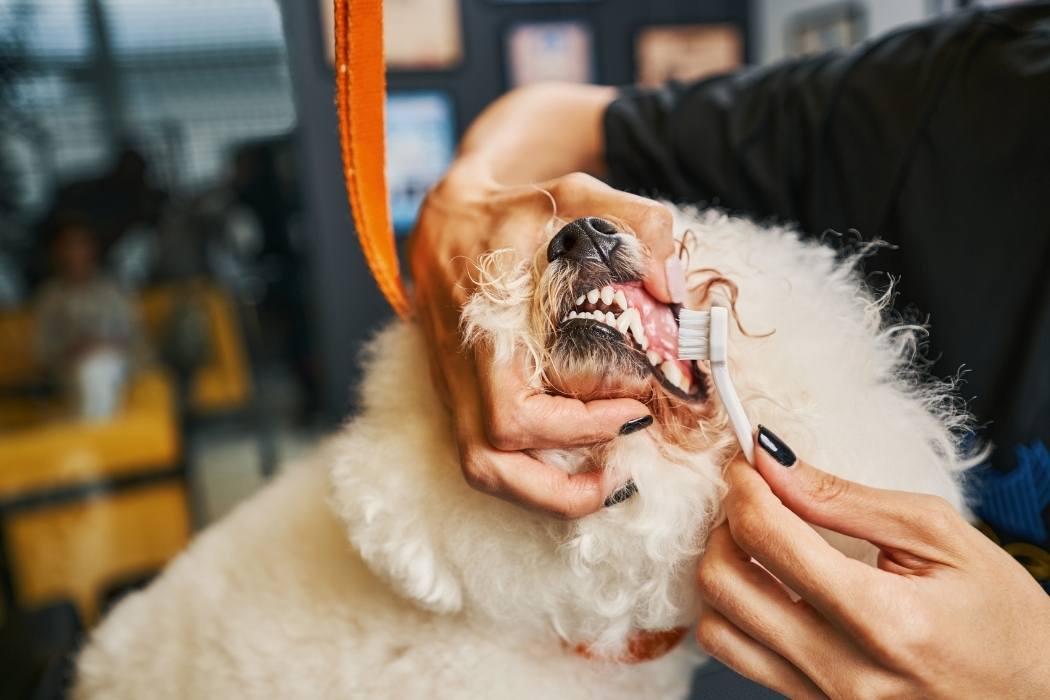
Brushing your pet’s teeth several times a week helps remove plaque and prevent tartar buildup.
Dental Treats and Toys
Specially designed treats and toys can help reduce plaque while keeping your pet engaged.
Routine Veterinary Checkups
Regular visits to a veterinarian ensure early detection and timely treatment of dental issues.
Balanced Diet
Feeding a high-quality diet supports overall health, including strong teeth and gums.
When to See a Veterinarian
If you notice any signs of dental problems, it’s important to seek professional care promptly. Delaying treatment can lead to pain, infection, and more serious health issues.
Early intervention can:
- Prevent disease progression
- Reduce treatment costs
- Improve your pet’s comfort and quality of life
If your pet is showing symptoms, it’s time to book an appointment with a trusted veterinary provider.
Compassionate Dental Care in Maitland
Maitland Animal Hospital provides comprehensive dental care for dogs and cats in Maitland and surrounding areas. Our experienced veterinary team focuses on preventive care, early diagnosis, and effective treatment to keep your pet’s smile healthy.
With a gentle approach and modern techniques, we ensure your pet receives safe and comfortable dental care tailored to their needs.
Frequently Asked Questions:
1. How often should my pet have a dental checkup?
Most pets should have a dental exam at least once a year. Some pets may require more frequent visits depending on their oral health.
2. Can I brush my pet’s teeth at home?
Yes, regular brushing is one of the best ways to maintain your pet’s dental health. Use pet-safe toothpaste and a soft toothbrush.
3. What happens during a professional dental cleaning?
A professional cleaning includes scaling, polishing, and a full oral examination performed by a veterinarian to remove plaque and tartar buildup.
4. Are dental problems common in pets?
Yes, dental disease is one of the most common health issues in dogs and cats, especially as they age.
5. How do I know if my pet is in dental pain?
Signs include difficulty eating, drooling, pawing at the mouth, and behavioral changes such as irritability or lethargy.
6. Can dental disease affect my pet’s overall health?
Yes, untreated dental problems can lead to infections that may impact vital organs like the heart, liver, and kidneys.