Keeping your cat’s teeth clean is a key part of their overall health, yet many pet owners don’t realize how common dental disease is in cats. Plaque buildup, gum inflammation, and tooth infections can cause pain and lead to serious health problems if ignored. In this guide, you’ll learn why cat dental care matters, how to clean your cat’s teeth at home, and when professional dental care is needed to keep your cat healthy and comfortable.
Why Dental Care Is Essential for Cats
Dental disease is one of the most common medical conditions seen in cats, especially adults and seniors. When food particles and bacteria build up on the teeth, they form plaque. Over time, plaque hardens into tartar, which irritates the gums and allows infection to develop below the gumline.
If left untreated, dental problems can lead to:
-
Painful gum disease
-
Tooth loss
-
Mouth infections
-
Bacteria spreading to the heart, liver, and kidneys
Because cats instinctively hide discomfort, dental disease often progresses quietly. Regular dental care helps prevent pain and supports your cat’s long-term health.
Signs Your Cat May Have Dental Problems
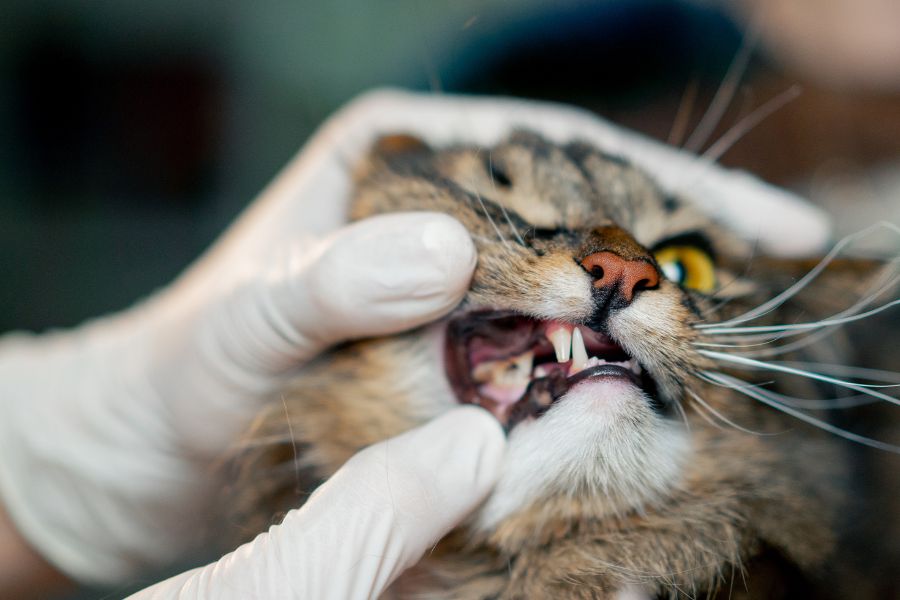
Cats rarely show obvious signs of oral pain, so it’s important to recognize subtle changes. Common signs of dental disease in cats include:
-
Bad breath
-
Yellow or brown tartar on teeth
-
Red, swollen, or bleeding gums
-
Drooling
-
Difficulty chewing or dropping food
-
Reduced appetite
-
Weight loss
-
Behavior changes, such as irritability or hiding
If you notice any of these signs, it’s time to schedule a dental exam with your nearest veterinarian.
How Often Should You Clean Your Cat’s Teeth?
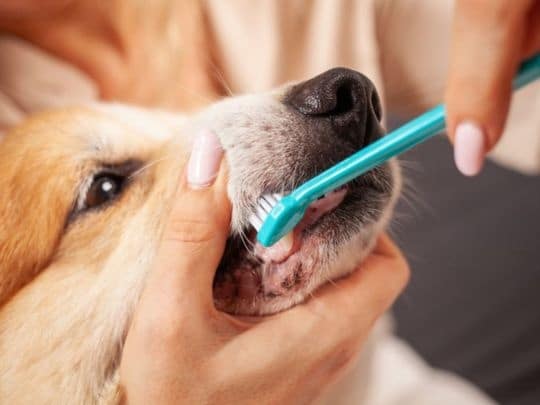
Daily tooth brushing is the most effective way to prevent plaque and tartar buildup. While daily brushing is ideal, brushing two to three times per week can still significantly improve your cat’s oral health.
The key is consistency. Short, regular brushing sessions are more effective than infrequent, longer attempts.
How to Brush Your Cat’s Teeth at Home
Brushing your cat’s teeth may take patience, but many cats learn to tolerate it with time.
Step-by-Step Tooth Brushing Guide
-
Choose a calm moment when your cat is relaxed.
-
Use cat-safe toothpaste only—never human toothpaste.
-
Start by touching the mouth gently to get your cat comfortable.
-
Lift the lip slightly and focus on the outer surfaces of the teeth.
-
Use gentle circular motions, especially along the gumline.
-
Keep sessions brief, about 30–60 seconds.
-
Reward your cat afterward with praise or a treat.
Start slowly and build up over time. Even brushing a few teeth is better than none.
Best Dental Tools for Cats
Using the right dental products makes tooth cleaning easier and safer.
Recommended Dental Supplies
-
Soft-bristled cat toothbrush
-
Finger toothbrush for beginners
-
Enzymatic toothpaste designed for cats
-
Dental wipes for cats who resist brushing
Avoid hard-bristled brushes or flavored human toothpaste, which can be harmful if swallowed.
Does Cat Food Help Clean Teeth?
Diet can support dental health, but it should not replace brushing.
Dry Food vs. Wet Food
-
Dry food may reduce plaque slightly through chewing
-
Wet food supports hydration but does not clean teeth
Some veterinary dental diets are designed to reduce tartar buildup through kibble texture. These diets can be helpful for some cats but work best alongside regular dental care.
Are Dental Treats and Water Additives Effective?
Dental treats and water additives can help reduce bacteria and plaque when used consistently.
Common Dental Support Products
-
Dental treats approved for oral health
-
Cat dental chews
-
Water additives that reduce plaque-causing bacteria
These products are useful supplements, especially for cats that resist brushing, but they are not a substitute for brushing or professional cleanings.
Professional Dental Cleanings for Cats
Even with excellent home care, most cats will need professional dental cleanings during their lifetime.
What Happens During a Veterinary Dental Cleaning
-
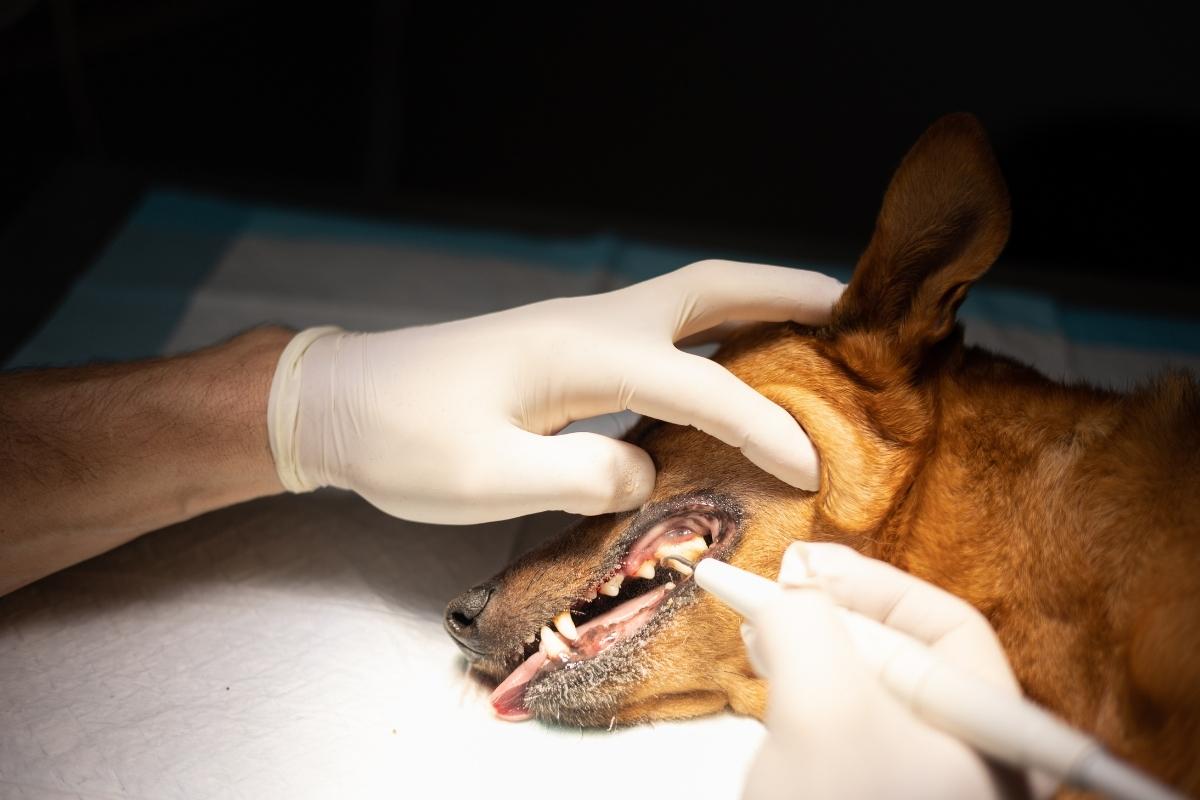
Comprehensive oral exam under anesthesia
-
Scaling to remove plaque and tartar
-
Polishing to smooth tooth surfaces
-
Dental X-rays to detect hidden issues
-
Tooth extractions if severe disease is present
Professional cleanings allow veterinarians to treat areas below the gumline that brushing cannot reach.
How Often Do Cats Need Professional Dental Cleanings?
Most cats need professional dental cleanings every one to two years, depending on:
-
Age
-
Breed
-
Diet
-
Genetics
-
Home dental care routine
Your veterinarian will recommend a cleaning schedule based on your cat’s individual dental health.
Starting Dental Care Early in Kittens
Dental care early makes brushing easier as your cat grows older.
Kitten Dental Care Tips
-
Gently handle your kitten’s mouth
-
Introduce tooth brushing slowly
-
Use kitten-safe dental products
-
Schedule regular wellness exams
Early dental habits help prevent painful dental disease later in life.
Why Routine Dental Exams Matter
Annual veterinary dental exams allow early detection of dental problems before they become severe. Many dental issues develop below the gumline, where they are not visible at home. Regular dental exams help ensure timely treatment and reduce the risk of serious complications.
Conclusion
Keeping your cat’s teeth clean is an essential part of responsible pet care. Regular brushing, dental-friendly products, and professional cleanings can prevent pain, tooth loss, and serious health problems. If you are in Orlando and have concerns about your cat’s dental health or need guidance on starting a dental care routine, our veterinary team at Eastwood Animal Hospital can help. Schedule an appointment to keep your cat’s smile healthy for years to come.
Frequently Asked Questions (FAQs)
How can I clean my cat’s teeth if brushing isn’t possible?
Ans: Dental wipes, water additives, and dental treats can help, but professional dental cleanings are still important.
Is bad breath normal for cats?
Ans: No, persistent bad breath is usually a sign of dental disease and should be checked by a veterinarian.
How often should I brush my cat’s teeth?
Ans: Daily brushing is ideal, but brushing a few times per week still provides significant benefits.
At what age do cats develop dental disease?
Ans: Many cats begin showing signs of dental disease as early as three years old.
Can dental disease affect a cat’s overall health?
Ans: Yes, untreated dental disease can allow bacteria to spread and affect vital organs such as the heart and kidneys.