Your pet’s teeth may look healthy, but important problems can develop where you cannot see them. Much of each tooth sits below the gumline, hidden from a routine visual examination. That is why a professional dental cleaning involves more than removing visible plaque and tartar. A thorough approach helps veterinarians evaluate the structures supporting each tooth.
At Alafaya Trail Animal Hospital, we understand how much your pet means to your family. Our approach to pet dental care focuses on comfort, careful evaluation, and long-term oral health. Diagnostic imaging can provide important information that an examination alone cannot reveal. It helps our veterinary team understand what is happening beneath your pet’s gums.
If you are in Oviedo and want details about the importance of dental X-rays during your pet’s dental cleaning, this blog will answer all your queries. Read till the end to get comprehensive information about the topic.
What Are Dental X-Rays for Dogs and Cats?
This technology creates detailed images of the teeth, roots, surrounding bone, and structures beneath the gumline.
A veterinarian can examine the visible portion of a tooth during an oral examination. However, the tooth root remains hidden inside the jaw.
Imaging provides another layer of information about these areas. It can identify changes that may otherwise remain unnoticed during cleaning.
This information helps the veterinarian make treatment decisions based on the condition of the entire tooth.
Why Is Looking Below the Gumline So Important?
The visible crown represents only part of your pet’s tooth. Problems can develop around the roots or supporting bone without obvious surface changes.
Pets also cannot explain where dental pain is coming from. Many dogs and cats continue eating despite significant oral discomfort.
Some pets chew on one side or begin avoiding harder foods. Others may show very few noticeable changes at home.
Looking beneath the gumline can help identify problems before they cause greater discomfort or complications.
What Can Dental Imaging Reveal?
Dental imaging can provide valuable information about conditions hidden beneath the gums. Depending on your pet’s findings, imaging may reveal:
- Tooth root abnormalities that cannot be seen during a visual examination
- Bone loss associated with periodontal disease
- Damage involving teeth that appear normal above the gumline
- Retained tooth roots from previous tooth loss or extractions
- Changes around a tooth that could indicate infection
- Problems involving unerupted or impacted teeth
- Internal changes affecting the structure of a tooth
Finding these concerns can change how a veterinarian approaches treatment. It also reduces reliance on visible appearance alone.
Why Can a Normal-Looking Tooth Still Have Problems?
A clean-looking tooth does not always mean the entire tooth is healthy. Disease can develop around the root while the visible crown appears relatively normal. Bone changes can also remain hidden beneath healthy-looking gum tissue.
This is particularly important because animals often hide discomfort. Their natural behavior can make early dental pain difficult for families to recognize.
For example, a pet may still finish meals despite having a painful tooth. The pet might simply chew differently or eat more slowly. Detailed imaging helps veterinarians investigate concerns that cannot be confirmed through appearance alone.
How Do X-Rays Guide Decisions During a Dental Cleaning?
A professional cleaning gives the veterinary team an opportunity to evaluate each tooth carefully. After examining the mouth, imaging can provide additional information about suspicious or potentially unhealthy teeth. These findings help determine whether further treatment is appropriate.
For example, x-rays can reveal whether disease extends below the gumline. They may also show whether the supporting bone has been affected.
This information is especially valuable when an extraction is being considered. Understanding root structure helps the veterinarian plan the procedure more carefully. Imaging can also provide information after treatment when the veterinarian needs to evaluate the affected area.
What Happens During Your Pet’s Professional Dental Procedure?
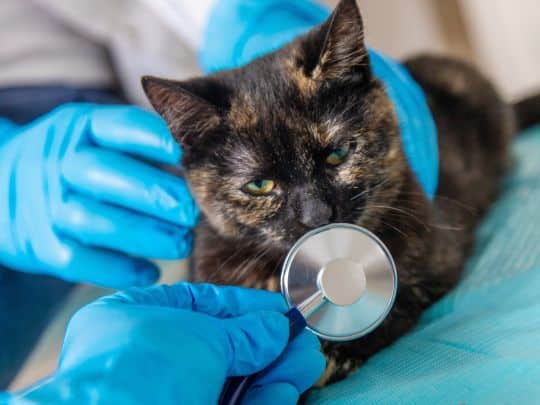
A veterinary dental procedure involves several steps designed around safety, comfort, and a thorough oral evaluation. At our animal hospital, pets receive an examination and bloodwork before their dental procedure. These steps help identify health concerns that could affect anesthesia.
Pets are fully sedated during the oral examination and dental procedure. This allows the team to examine and clean the mouth without unnecessary stress. A veterinary technician continuously monitors the patient and tracks important vital signs using advanced equipment.
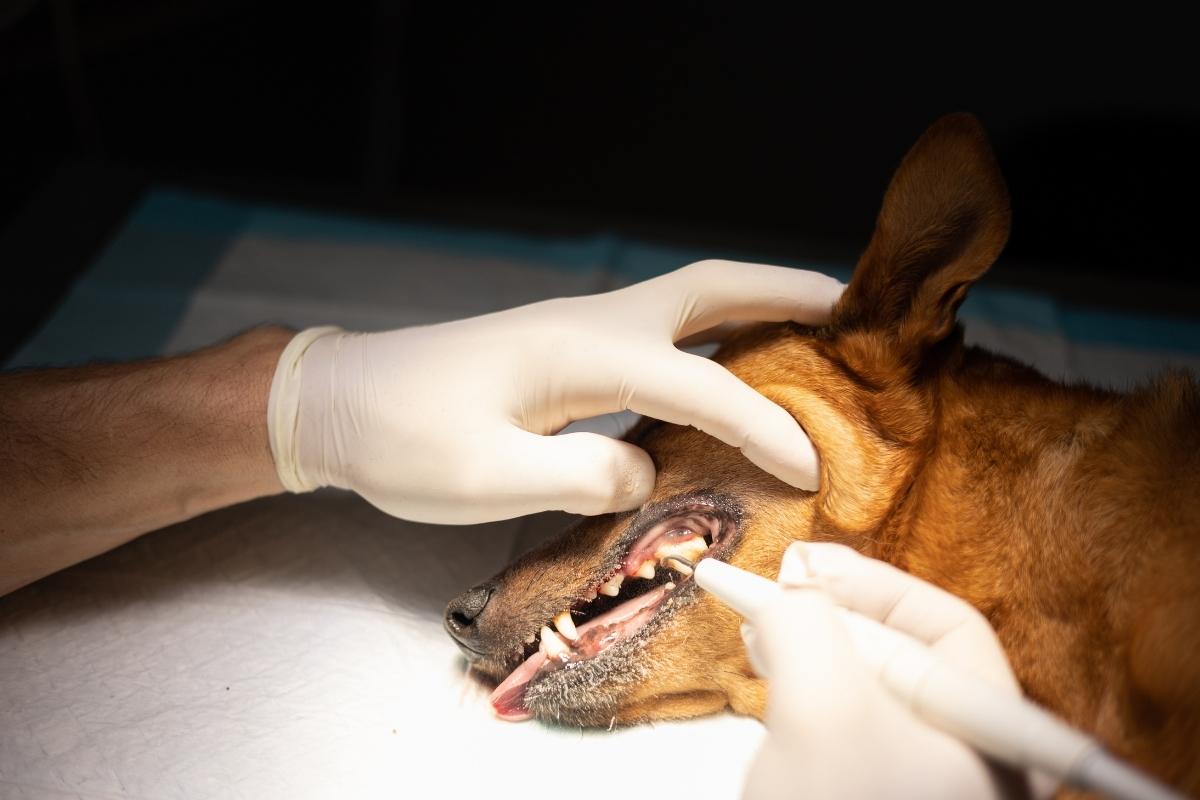
The team uses professional scaling equipment to remove tartar and calculus. Cleaning includes areas above and below the gumline. Pain management may include nerve blocks and other appropriate measures. Recommendations can then be based on the findings from the complete dental evaluation.
Why Is Anesthesia Needed for a Thorough Dental Procedure?
Pets cannot understand why they need to remain completely still during detailed dental treatment. Anesthesia allows the veterinary team to examine every area of the mouth more carefully. It also permits cleaning beneath the gums without causing unnecessary fear or movement.
This controlled environment is particularly important when detailed diagnostic imaging or additional treatment becomes necessary. Before the procedure, your veterinarian evaluates your pet’s health and considers factors related to anesthesia. Monitoring continues throughout the procedure. These precautions help the veterinary team focus on both oral health and patient safety.
How Can Dental Evaluations Protect Your Pet’s Comfort?
Dental disease can cause significant discomfort, even when a pet does not clearly show pain. Warning signs may include persistent bad breath, drooling, red gums, visible tartar, or difficulty chewing. Some pets may paw at their mouths or become reluctant to eat.
However, waiting for obvious symptoms can allow dental problems to progress. Routine oral examinations help veterinarians identify changes earlier. Professional cleanings provide an opportunity for a more detailed assessment when recommended. This proactive approach can help protect your pet from unnecessary oral discomfort.
Support Your Pet’s Oral Health With Our Professional Care
Dental health should remain part of your pet’s overall preventive healthcare plan. At Alafaya Trail Animal Hospital, our veterinarians provide pet dental care for dogs and cats in Oviedo, Florida. We focus on careful evaluation while keeping your pet’s comfort and safety in mind.
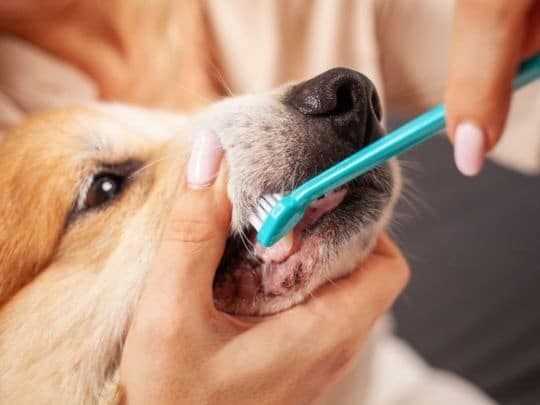
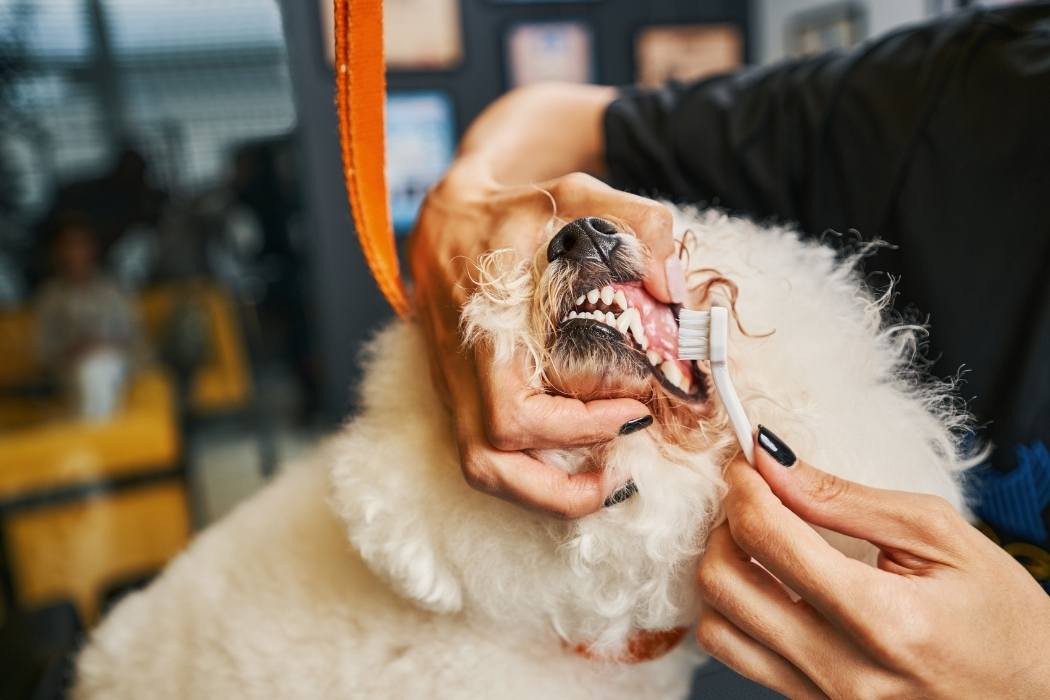
Our team can also explain home dental habits that support healthier teeth between professional visits. These may include toothbrushing and monitoring for changes inside your pet’s mouth. Combining professional veterinary dentistry with consistent home care provides stronger support for lifelong oral health.
Give Your Pet the Thorough Dental Care They Deserve
Your pet depends on you to notice changes they cannot explain. Dental problems can be especially difficult because much of the tooth remains hidden.
A thorough dental evaluation helps veterinarians understand more than what appears on the surface. That information can support earlier diagnosis and more informed treatment decisions.
For compassionate dental care for pets in Oviedo, contact us today. Schedule an appointment to protect their comfort, teeth, and long-term health.
Frequently Asked Questions
1. Does my pet need dental X-rays during a dental cleaning in Oviedo?
Ans: Not every pet has the same dental needs. Your veterinarian may recommend imaging based on your pet’s oral examination and dental history. At Alafaya Trail Animal Hospital, our team evaluates each pet carefully to identify concerns that may be hidden below the gumline.
2. Where can I take my dog or cat for a professional dental cleaning in Oviedo?
Ans: Alafaya Trail Animal Hospital provides professional dental care for dogs and cats in Oviedo, FL. Our team performs detailed oral evaluations and dental cleanings while monitoring your pet throughout the procedure. We can also discuss appropriate diagnostic imaging based on your pet’s needs.
3. Are dental radiographs painful for pets?
Ans: The imaging process itself does not cause pain. Pets undergoing professional dental procedures are typically anesthetized, allowing imaging to occur without stressful movement.
4. How often should dogs and cats receive professional dental cleanings?
Ans: There is no single schedule that fits every pet. Age, breed, oral health, home care, and disease risk can influence recommendations.
5. What are common signs that my pet may have dental disease?
Ans: Watch for bad breath, tartar, red gums, drooling, difficulty chewing, reduced appetite, or pawing around the mouth. Veterinary evaluation is recommended when these changes appear.
6. Why can’t an awake dental cleaning provide the same evaluation?
Ans: An awake pet cannot safely remain still for detailed cleaning beneath the gumline. A complete oral assessment also requires access to difficult areas.
7. When should I schedule a dental evaluation for my pet in Oviedo?
Ans: Consider an evaluation if you notice bad breath, red gums, tartar, drooling, difficulty chewing, or changes in eating habits. Alafaya Trail Animal Hospital can evaluate your pet’s teeth and gums and determine whether further dental care is appropriate.