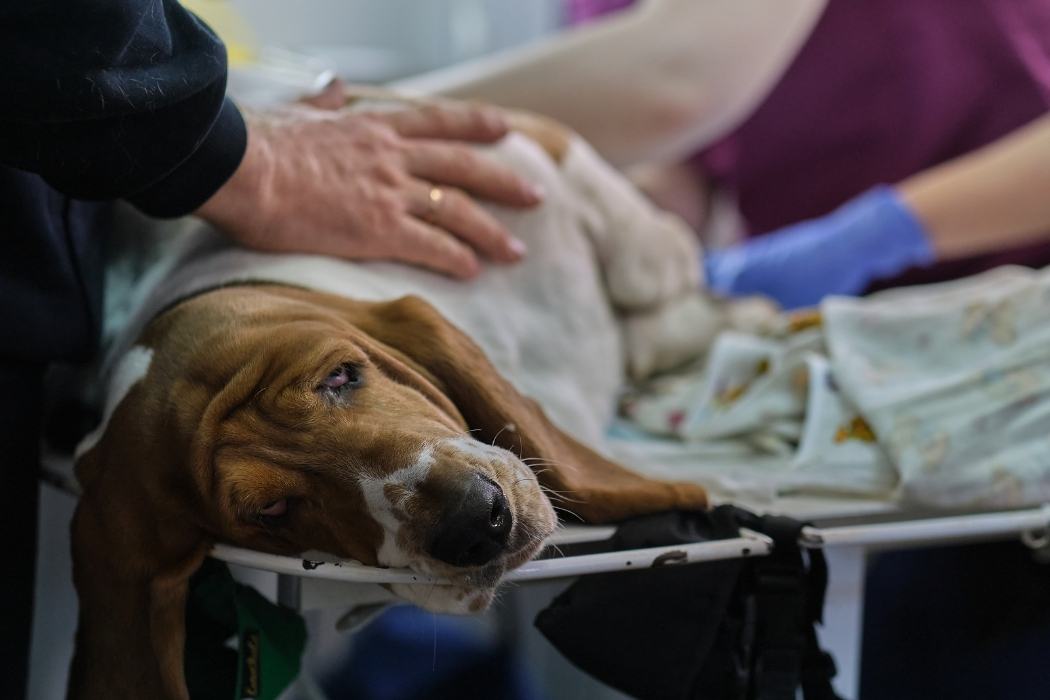
Post-surgery care for dogs and cats is one of the most critical steps in helping your pet heal quickly and comfortably. Whether your pet had a routine spay/neuter procedure or a more complex surgery, proper aftercare can prevent complications and speed up recovery. In this guide, we’ll walk you through essential post-surgery care for dogs and cats, including pain management, wound care, and activity restrictions, so you can confidently support your pet at home.
What Is Post-Surgery Care for Dogs and Cats?
Post-surgery care for dogs and cats refers to the steps pet owners take after a veterinary procedure to ensure proper healing. This includes monitoring your pet, managing medications, protecting surgical sites, and providing a calm recovery environment.
Pets can’t verbally express discomfort, so it’s up to you to watch for signs of pain or complications. Proper care at home significantly reduces the risk of infections and helps your pet return to normal faster.
Why Proper Post-Surgery Care Is So Important
After surgery, your pet’s immune system is focused on healing. Without proper care, even minor issues can escalate into serious complications.
Key benefits of proper aftercare:
- Prevents infections at the surgical site
- Reduces pain and discomfort
- Speeds up recovery time
- Avoids costly emergency visits
- Ensures stitches or incisions heal correctly
Warm and humid weather can increase infection risks; keeping surgical wounds clean and dry is especially important.
Preparing Your Home for Pet Recovery
Before bringing your pet home, it’s important to create a safe and comfortable recovery space.
Set up a recovery area:
- Choose a quiet, low-traffic room
- Provide a soft, clean bed
- Keep food and water within easy reach
- Limit access to stairs or furniture
- Separate from other pets if necessary
A calm environment reduces stress and prevents unnecessary movement, which is crucial for healing.
Managing Pain and Medications
Pain management is a key part of post-surgery care for dogs and cats. Your veterinarian will likely prescribe medications to keep your pet comfortable.
Tips for giving medications:
- Follow dosage instructions exactly as prescribed
- Never give human medications like ibuprofen or acetaminophen
- Use treats or pill pockets to make dosing easier
- Watch for side effects like vomiting or lethargy
If your pet refuses medication or shows unusual symptoms, contact your vet right away.
How to Care for the Surgical Site
Proper wound care is essential to prevent infection and ensure healing.
What to do:
- Check the incision daily for redness, swelling, or discharge
- Keep the area clean and dry
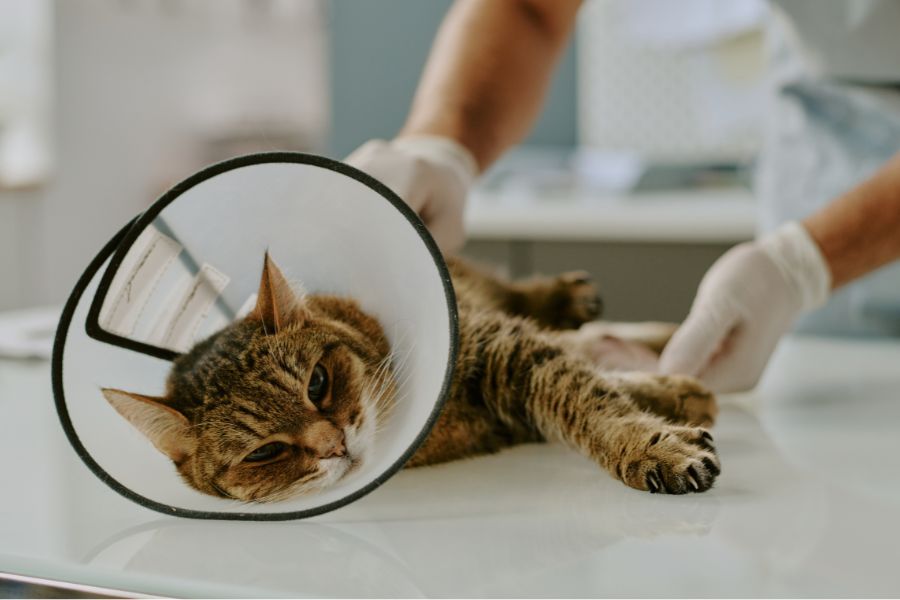
- Prevent licking or chewing (use an e-collar if needed)
- Avoid bathing your pet until your vet approves
Warning signs to watch for:
- Foul odor
- Excessive swelling
- Bleeding or pus
- Open stitches
If you notice any of these, seek veterinary care immediately.
Limiting Activity During Recovery
One of the most challenging parts of post-surgery care for dogs and cats is keeping them calm and inactive.
Activity restrictions:
- No running, jumping, or rough play
- Short leash walks only (for dogs)
- Keep cats indoors and confined if needed
- Use crates or playpens for active pets
Even if your pet seems energetic, too much movement can reopen wounds or delay healing.
Feeding and Hydration After Surgery
Your pet’s appetite may change after surgery, which is normal.
Feeding tips:
- Offer small, light meals initially
- Provide fresh water at all times
- Stick to your vet’s dietary recommendations
- Avoid treats or table scraps unless approved
If your pet refuses food for more than 24 hours, it’s best to consult your veterinarian.
Monitoring Your Pet’s Behavior
Behavioral changes are common after surgery due to anesthesia and discomfort.
Normal behaviors:
- Sleepiness or low energy
- Mild confusion or restlessness
- Temporary loss of appetite
Concerning signs:
- Constant whining or distress
- Lack of movement or extreme lethargy
- Difficulty breathing
- Not urinating or having bowel movements
Trust your instincts. If something feels off, it’s better to call your nearest vet.
Follow-Up Vet Visits Matter
Follow-up appointments are a crucial part of pet surgery care. These visits allow your vet to monitor healing and remove stitches if needed.
At Alafaya Trail Animal Hospital in Oviedo, veterinarians ensure your pet’s recovery is on track and address any concerns early. Skipping follow-ups can lead to unnoticed complications.
Common Mistakes Pet Owners Should Avoid
Even well-meaning pet owners can make mistakes during recovery.
Avoid these common errors:
- Skipping medications or changing doses
- Letting pets lick or scratch the incision
- Allowing too much activity too soon
- Missing follow-up appointments
- Ignoring early signs of infection
Being proactive and attentive can make all the difference in your pet’s recovery.
How Long Does Recovery Take?
Recovery time depends on the type of surgery and your pet’s overall health.
General timelines:
- Minor procedures: 7–10 days
- Moderate surgeries: 10–14 days
- Major surgeries: 2–6 weeks or longer
Your veterinarian will give you a more accurate timeline based on your pet’s specific case.
Conclusion
Proper post-surgery care for dogs and cats is essential for a smooth and stress-free recovery. From managing medications and monitoring wounds to limiting activity and attending follow-up visits, every step plays a role in your pet’s healing journey.
If your pet is recovering from surgery or you have concerns about their health, the vet team at Alafaya Trail Animal Hospital is here to help. Schedule an appointment and ensure your furry companion gets the best care possible.
FAQs
Q1: How do I know if my pet’s incision is healing properly?
Ans: A healthy incision should be clean, slightly pink, and free of swelling or discharge. Any redness, odor, or pus should be checked by a vet.
Q2: Can I leave my pet alone after surgery?
Ans: It’s best to monitor your pet closely for the first 24–48 hours. After that, short periods alone are okay if they’re stable and comfortable.
Q3: Why is my pet not eating after surgery?
Ans: Loss of appetite is common due to anesthesia or discomfort. If it lasts more than 24 hours, contact your veterinarian.
Q4: When can my dog or cat return to normal activity?
Ans: Most pets can resume normal activity after 10–14 days, but always follow your vet’s specific instructions.
Q5: Do all pets need an e-collar after surgery?
Ans: Not always, but many pets benefit from one to prevent licking or chewing the surgical site, which can cause infections.