Spay neuter surgery is one of the most important health decisions you’ll make for your pet. If you are preparing for your pet’s first spay surgery or neuter procedure, knowing exactly what to expect can reduce stress and improve safety.
In this guide, we’ll walk you through complete spay-neuter surgery preparation, including feeding restrictions, pre-operative instructions, recovery planning, and common mistakes first-time pet owners should avoid.
What Is Spay/Neuter Surgery and Why It Matters
Spay-neuter surgery is a routine, safe surgical procedure that prevents pets from reproducing.
- Spaying surgery removes the ovaries and usually the uterus in female pets.
- Neuter surgery removes the testicles in male pets.
Beyond preventing unwanted litters, these procedures offer significant health and behavioral benefits.
Health Benefits of Spaying and Neutering
- Reduces risk of mammary tumors in females
- Prevents uterine infections called pyometra
- Eliminates testicular cancer risk in males
- Decreases roaming and marking behaviors
- Helps reduce overpopulation in shelters
According to veterinary associations, spayed female dogs have a significantly lower risk of mammary cancer when the procedure is done before their first heat cycle.
For first-time pet owners, understanding that this is a controlled, common procedure performed daily in veterinary clinics can ease anxiety.
When Should Your Pet Have Their First Spay Surgery?
Timing matters in pet spay surgery preparation.
General guidelines include:
- Dogs: Typically between 6 to 9 months of age
- Cats: Around 4 to 6 months of age
- Large breed dogs may benefit from slightly delayed timing
Your veterinarian may recommend adjustments based on breed, size, and overall health. Always follow your clinic’s personalized recommendation.
Complete Spay Neuter Surgery Preparation Checklist
Proper pet neuter surgery preparation starts several days before the procedure.
1. Follow Fasting Instructions Carefully
One of the most important neuter surgery pre instructions involves fasting.
- No food after midnight the night before surgery
- Water may be allowed until early morning, depending on instructions
- Puppies and kittens under 4 months may receive modified fasting instructions
Why fasting matters: Anesthesia slows swallowing reflexes. Food in the stomach can increase the risk of vomiting and aspiration during surgery.
Always confirm exact timing with your veterinary clinic.
2. Avoid Giving Unapproved Medications
Do not give:
- Human pain relievers
- Over-the-counter supplements
- Herbal remedies
Certain medications can interfere with anesthesia or blood clotting. If your pet is already on medication, notify your veterinarian in advance.
3. Limit Activity the Day Before
Keep your pet calm the day before surgery. Avoid:
- Rough play
- Dog park visits
- High-intensity exercise
A calm pet reduces pre-surgical stress and lowers the risk of injury before the procedure.
4. Plan Transportation and Drop-Off
For your pet’s first spay surgery, expect:
- Morning drop-off
- Pre-surgical exam
- Possible bloodwork
Bring your pet in a secure carrier or on a leash. Cats should always be in a carrier for safety.
5. Complete Pre-Surgical Bloodwork if Recommended
Pre-anesthetic blood testing checks:
- Liver function
- Kidney function
- Blood sugar levels
- Red and white blood cell counts
Even young, healthy pets can have hidden abnormalities. Bloodwork increases surgical safety and provides a baseline for future health monitoring.
What Happens on Surgery Day?
Understanding the process can reduce fear.
- Physical examination
- IV catheter placement
- Anesthesia administration
- Monitoring of heart rate, oxygen, and blood pressure
- Surgical procedure
- Recovery under supervision
Most spay-neuter surgery procedures take 20 to 60 minutes, depending on species and sex. Female spays generally take longer than male neuters.
Pets usually go home the same day unless complications arise.
Preparing Your Home for Recovery
Recovery planning is a critical part of pet spay surgery preparation.
Create a Quiet Recovery Space
Set up:
- A clean, soft bed
- A calm environment away from other pets
- Limited stairs
Avoid letting your pet jump onto furniture for 10 to 14 days.
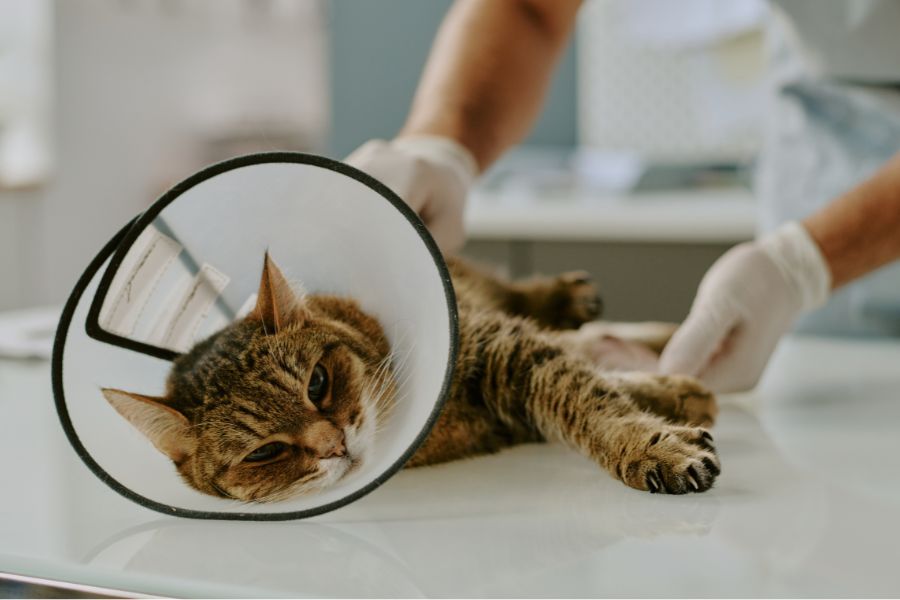
Use an E-Collar or Recovery Suit
Prevent licking or chewing at the incision. Licking can cause:
- Infection
- Swelling
- Incision reopening
Even if the incision looks small, internal sutures need time to heal.
Monitor the Incision Daily
Check for:
- Mild redness, which can be normal
- Swelling larger than a marble
- Discharge or foul odor
- Gaping edges
Contact your nearest veterinarian immediately if you notice any of these signs.
Common Mistakes First-Time Pet Owners Make
1. Feeding Too Soon After Surgery
Offer small amounts of food the evening after surgery unless instructed otherwise. Some pets may experience mild nausea.
2. Allowing Too Much Activity
Many pets feel normal within 24 hours, but internal healing takes longer. Restrict activity for at least 10 days.
3. Removing the Cone Too Early
Even a few minutes unsupervised can cause damage to the incision.
4. Skipping Pain Medication
Modern spay-neuter surgery includes pain management. Always give prescribed medications exactly as directed.
Behavioral Changes After Spay/Neuter
Many owners notice:
- Reduced roaming
- Less urine marking
- Decreased aggression in males
However, spaying or neutering does not automatically solve training issues. Proper training and socialization remain essential.
Is Spay/Neuter Surgery Safe?
Yes, when performed by licensed veterinarians using modern anesthesia and monitoring equipment, spay-neuter surgery is very safe.
Complication rates are low, especially in young, healthy pets. The benefits generally outweigh the risks.
Discuss concerns openly with your veterinary team. Transparency builds trust and improves outcomes.
How to Stay Calm as a First-Time Pet Owner
It is completely normal to feel nervous before your pet’s first spay surgery.
To ease anxiety:
- Ask questions at drop-off
- Request post-op care instructions in writing
- Schedule follow-up appointments in advance
Clear communication with your nearest veterinary clinic in Oviedo makes the entire experience smoother.
Conclusion
Spay neuter surgery preparation is straightforward when you understand the steps. Follow fasting instructions carefully, prepare a calm recovery space, limit activity, and monitor the incision closely. These simple actions significantly reduce complications and promote faster healing.
If you are planning your pet’s procedure, the experienced vet team at Alafaya Trail Animal Hospital is here to guide you through every step with compassion and expertise. Contact us today to schedule your pet’s spay or neuter consultation.
FAQs
Q1: How long does spay-neuter surgery take?
Ans: Most procedures take 20 to 60 minutes, depending on the pet’s size and sex.
Q2: Can my pet drink water before surgery?
Ans: Water is often allowed until early morning, but always follow your veterinarian’s specific neuter surgery pre instructions.
Q3: How long is recovery after a first spay surgery?
Ans: Most pets recover in 10 to 14 days, with restricted activity during that period.
Q4: Is bloodwork necessary before spay neuter surgery?
Ans: Pre-surgical bloodwork is strongly recommended to ensure your pet can safely undergo anesthesia.
Q5: What should I do if my pet licks the incision?
Ans: Use an e-collar immediately and contact your veterinarian if redness, swelling, or discharge appears.