If you’ve ever caught your cat nibbling on grass, you might have wondered if it’s normal or something to worry about. After all, cats are obligate carnivores, meaning their diet primarily consists of meat. So why do they show interest in plants?
The truth is, grass-eating is a common and natural behavior in cats. While it may seem unusual, there are several fascinating reasons behind this habit. Understanding why cats eat grass can help you better care for your feline companion and know when it’s time to consult a veterinarian.
Is It Normal for Cats to Eat Grass?
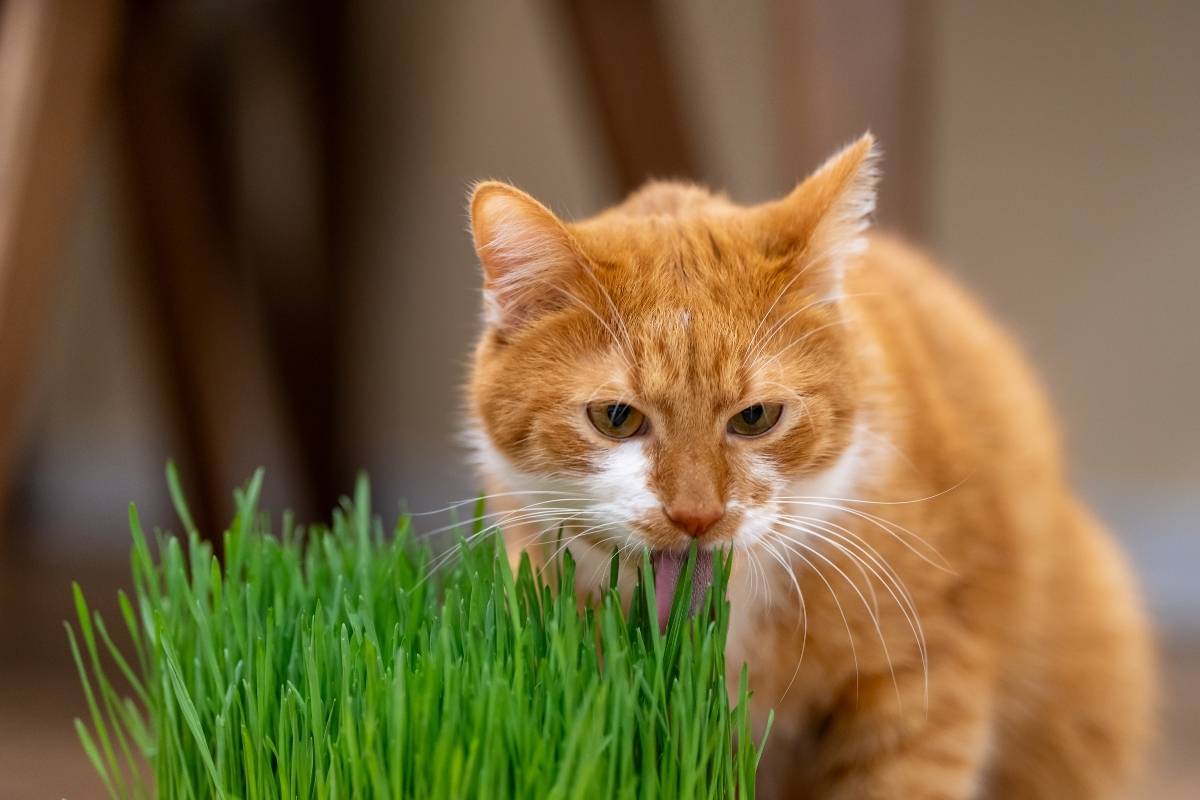
Yes, it is completely normal for cats to eat grass. Both indoor and outdoor cats may occasionally chew on grass or other plants. In most cases, this behavior is harmless and even beneficial.
Many experts believe that grass-eating is an instinctive behavior passed down from wild ancestors. Even though domestic cats have different lifestyles today, these natural instincts still remain.
Common Reasons Why Cats Eat Grass
There isn’t just one reason why cats eat grass. Instead, several factors may contribute to this behavior.
1. Aids Digestion
Grass can help stimulate a cat’s digestive system. Since cats cannot easily digest plant material, eating grass may trigger vomiting, which can help them expel indigestible substances like hair or bones.
This is especially helpful for cats that groom frequently and may develop hairballs.
2. Helps with Hairball Control
Hairballs are a common issue in cats, particularly long-haired breeds. When cats ingest grass, it can help move hair through the digestive tract or encourage vomiting to eliminate it.
This natural process may reduce discomfort and prevent blockages.
3. Provides Nutrients
Grass contains small amounts of nutrients like folic acid, which plays a role in oxygen transport in the blood. Some experts believe cats may instinctively seek out grass to supplement their diet.
Although commercial pet food is nutritionally balanced, this behavior may still be rooted in instinct.
4. Relieves Stomach Upset
Cats may eat grass when they feel unwell. The act of chewing and swallowing grass can induce vomiting, which may help relieve nausea or stomach discomfort.
If your cat eats grass occasionally and vomits afterward, it may simply be self-regulating its digestive system.
5. Behavioral Enrichment
For indoor cats, eating grass may provide mental stimulation and satisfy natural curiosity. It can be a way for cats to explore their environment and engage in instinctive behaviors.
Providing safe plants or cat grass can be a healthy outlet for this behavior.
Is Eating Grass Safe for Cats?
In most cases, eating grass is safe for cats. However, there are a few important considerations to keep in mind.
Avoid Toxic Plants
Not all plants are safe for cats. Some household and outdoor plants can be toxic and cause serious health issues. Always ensure your cat has access only to pet-safe grass or plants.
Watch for Pesticides and Chemicals
Grass treated with pesticides, herbicides, or fertilizers can be harmful. If your cat has access to outdoor grass, make sure it is free from chemicals.
Monitor Frequency
Occasional grass-eating is normal, but excessive consumption may indicate an underlying issue. If your cat is eating grass frequently or showing signs of illness, it’s best to consult a veterinary professional.
When Should You Be Concerned?
While grass-eating is usually harmless, certain signs may indicate a problem that requires attention from a veterinarian:
- Frequent vomiting not related to hairballs
- Loss of appetite
- Lethargy or unusual behavior
- Diarrhea or constipation
- Signs of poisoning (drooling, tremors, difficulty breathing)
If you notice any of these symptoms, it’s important to seek professional care promptly.
How to Provide Safe Grass for Your Cat
If your cat enjoys eating grass, you can provide a safe and controlled option at home.
Grow Cat Grass Indoors
Cat grass kits are widely available and easy to grow. They typically include safe grasses like wheatgrass, barley, or oat grass.
Keep Toxic Plants Out of Reach
Ensure that harmful plants are not accessible to your cat. This reduces the risk of accidental ingestion.
Offer a Balanced Diet
A high-quality diet helps ensure your cat receives all necessary nutrients, reducing the likelihood of seeking supplements from grass.
The Role of Veterinary Care in Your Cat’s Health
Understanding your cat’s behavior is an important part of responsible pet ownership. While grass-eating is generally normal, regular checkups with a veterinarian can help ensure your cat stays healthy.
Routine visits allow for early detection of potential health issues and provide an opportunity to discuss any unusual behaviors.
If you have concerns about your cat’s diet, digestion, or overall health, don’t hesitate to book an appointment with your trusted veterinary team.
Why Choose Corrine Drive Animal Hospital in Orlando
At Corrine Drive Animal Hospital, we are committed to providing compassionate, high-quality veterinary care for cats and dogs in Orlando. Our experienced team understands the unique behaviors and health needs of pets and offers personalized care tailored to each patient.
From wellness exams and preventive care to diagnostics and treatment, we are here to support your pet’s health at every stage of life.
Frequently Asked Questions:
1. Why does my cat eat grass and then vomit?
Ans: Cats often eat grass to induce vomiting, which helps them remove hairballs or other indigestible materials from their stomach.
2. Is it bad if my indoor cat eats grass?
Ans: No, it’s generally safe as long as the grass is free from chemicals and pesticides. Providing cat-safe grass indoors is a good option.
3. Can grass replace part of my cat’s diet?
Ans: No, cats are obligate carnivores and require a meat-based diet. Grass may provide minor benefits but should not replace proper nutrition.
4. How often should cats eat grass?
Ans: Occasional grass-eating is normal. However, frequent or excessive consumption may indicate a health issue and should be evaluated.
5. What type of grass is safe for cats?
Ans: Cat grass such as wheatgrass, oat grass, or barley grass is safe and commonly recommended for cats.
6. When should I take my cat to the veterinarian?
Ans: You should seek veterinary care if your cat shows persistent vomiting, changes in appetite, lethargy, or any unusual symptoms.