Did you know that by the time most dogs and cats are three years old, they already show early signs of dental disease? Periodontal disease is one of the most common and most overlooked health problems in pets. Yet despite how widespread it is, most pet owners in Oviedo don’t think about their pet’s teeth until there’s a visible problem.
At Alafaya Trail Animal Hospital on Alafaya Trail in Oviedo, we take your pet’s oral health seriously. Here’s what you need to know about keeping your dog’s or cat’s mouth healthy and why professional dental care matters more than most people realize.
Why Dental Health Matters for Dogs and Cats
Dental disease in pets doesn’t just affect the mouth. Bacteria from infected gums and teeth can enter the bloodstream and travel to vital organs including the heart, kidneys, and liver. This is why veterinary dentistry is considered an important part of your pet’s overall health care not just cosmetic upkeep.
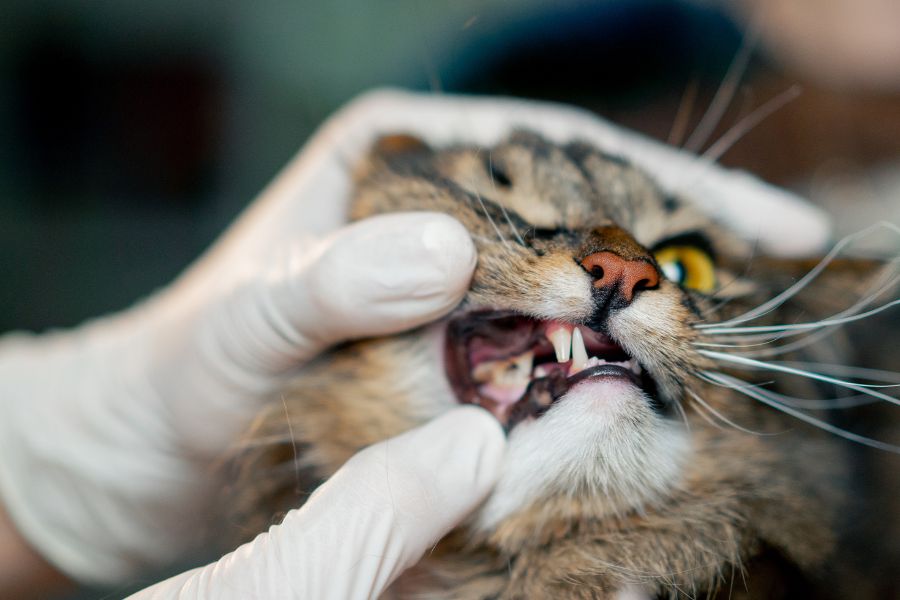
Common signs of dental problems in dogs and cats include bad breath (beyond the normal “dog breath”), yellow or brown tartar buildup, red or swollen gums, pawing at the mouth, drooling, difficulty chewing, or loss of appetite. If you notice any of these signs, it’s time to schedule a dental evaluation.
What Happens During a Professional Pet Dental Cleaning?
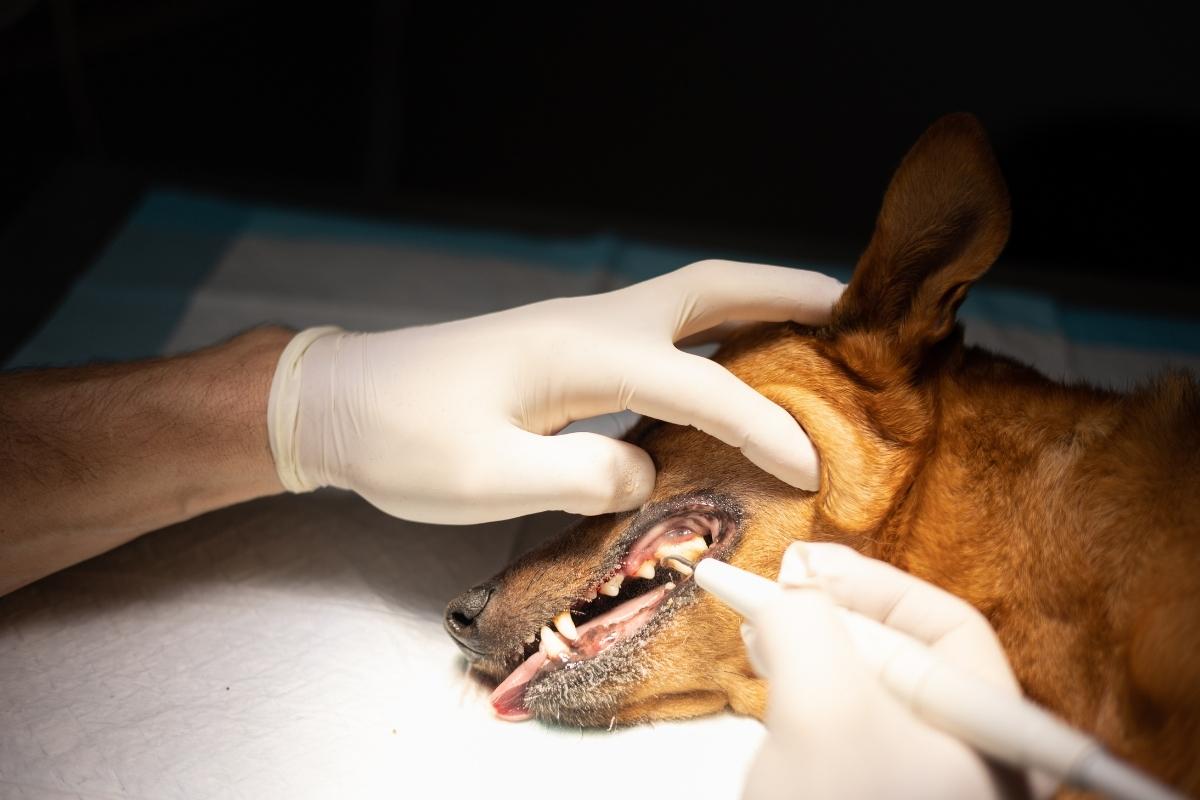
A professional dental cleaning at Alafaya Trail Animal Hospital is a thorough process performed under general anesthesia. This is necessary because pets won’t sit still for a full dental exam the way humans do, and it allows our veterinary team to safely and comfortably clean below the gumline which is where the most serious disease occurs.
During a cleaning, our team will remove plaque and tartar from all tooth surfaces, probe around each tooth to check for pockets or signs of disease, polish the teeth to help slow future buildup, and assess whether any teeth need to be extracted. Before your pet goes under anesthesia, we perform pre-surgical bloodwork to make sure they are healthy enough for the procedure.
At-Home Dental Care Between Professional Cleanings
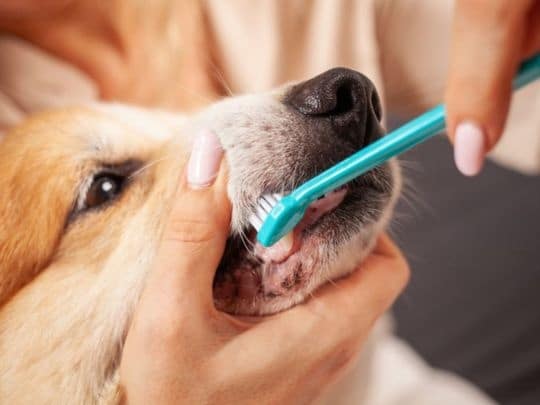
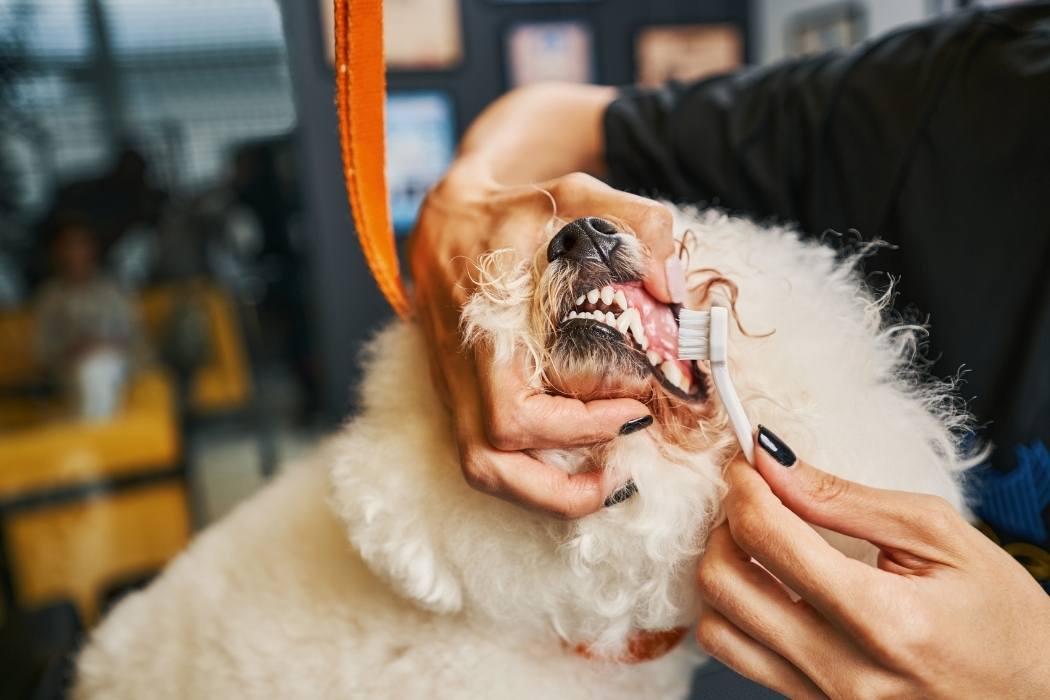
Professional cleanings are essential, but what happens between appointments matters too. Brushing your pet’s teeth at home is the gold standard for daily oral care. Start with a pet-safe toothpaste (never use human toothpaste, as it can be toxic to pets) and a soft-bristled toothbrush or finger brush.
If your pet won’t tolerate brushing, talk to our team about alternatives such as dental chews, water additives, or special dental diets. Our veterinarians at Alafaya Trail Animal Hospital are happy to show you brushing techniques and recommend products that actually work.
How Often Should Pets Have Dental Cleanings?
Most dogs and cats benefit from a professional dental cleaning once a year, though some pets particularly small breeds, flat-faced breeds like pugs and bulldogs, and older animals may need more frequent care. Your veterinarian will assess your pet’s dental condition at each wellness exam and let you know when a professional cleaning is needed.
Starting dental care early in your pet’s life is the best way to prevent serious disease from developing. Puppies and kittens can begin having their mouths examined from their very first vet visit.
Ready to Book an Appointment?
Your pet’s smile says more than you think. Regular professional dental care at Alafaya Trail Animal Hospital in Oviedo is one of the most impactful things you can do for their long-term health.
Call (407) 365-2222 or visit us to schedule your pet’s dental exam today. We’re here Monday through Friday, 8 AM – 5:30 PM, and select Saturdays as well.
Frequently Asked Questions
Q1: Is it safe for my pet to be put under anesthesia for a dental cleaning?
For the vast majority of pets, anesthesia is very safe. At Alafaya Trail Animal Hospital, we perform thorough pre-anesthetic screening, including a physical exam and bloodwork, to identify any risk factors beforehand. Our team monitors your pet’s heart rate, blood pressure, oxygen levels, and temperature throughout the entire procedure.
Q2: How do I know if my pet has dental disease?
Common warning signs include persistent bad breath, visible tartar or brown deposits on the teeth, red, swollen, or bleeding gums, pawing at the mouth, reluctance to eat hard food, or excessive drooling. That said, many pets hide pain well, so even if your pet seems fine, a professional dental exam is the only way to know for sure.
Q3: My cat hates being touched around the mouth. Can I still brush her teeth?
Yes, patience and gradual introduction are key. Start by simply touching your cat’s face and lips without anything in your hand, then slowly introduce the toothbrush or finger brush with a dab of pet-safe toothpaste. Many cats accept it over time. If your cat absolutely won’t allow brushing, we can recommend dental treats, gels, or water additives as alternatives.
Q4: How much does a pet dental cleaning cost in Oviedo?
The cost of a dental cleaning varies depending on the extent of disease, whether extractions are needed, and which pre-anesthetic diagnostics are recommended. We recommend calling us at (407) 365-2222 to discuss an estimate. Our VIP Program can also help offset the costs of routine dental care over time.
Q5: What breed of dogs are most prone to dental problems?
Small breed dogs such as Chihuahuas, Dachshunds, Yorkshire Terriers, and Maltese tend to have worse dental disease because their teeth are crowded into a smaller jaw. Flat-faced (brachycephalic) breeds like Bulldogs, Pugs, and Shih Tzus also have elevated risk. However, all dogs and cats can develop dental disease regardless of breed.
Q6: Can dental disease shorten my pet’s life?
Untreated dental disease can absolutely contribute to serious health complications that affect your pet’s lifespan and quality of life. The bacteria associated with advanced periodontal disease have been linked to heart disease, kidney disease, and liver problems in pets. Regular dental care is a straightforward way to reduce these risks.