Dental health is an important part of your dog’s overall well-being, yet it can be easy to overlook until visible problems appear. Plaque begins accumulating on the teeth after eating, and over time, it can harden into tartar and contribute to gum inflammation and periodontal disease. Because dogs can hide oral discomfort, dental problems may progress before owners notice obvious changes.
Regular oral examinations and professional cleanings can help identify problems earlier and keep your dog more comfortable. For pet owners looking for reliable pet dental care, understanding when professional cleaning is appropriate is an important part of maintaining long-term oral health.
How Often Do Dogs Need Professional Dental Cleanings?
There is no single cleaning schedule that works for every dog. AAHA notes that many pets need professional dental cleaning every one to two years, while some dogs may require cleanings more frequently depending on their age, breed, oral health, and individual risk factors.
Small dogs and older dogs can be particularly susceptible to periodontal disease. Crowded teeth, existing tartar, previous dental problems, chewing habits, and the effectiveness of home dental care can also influence how often professional treatment is recommended.
Instead of relying only on a fixed calendar schedule, your veterinarian can evaluate your dog’s mouth during routine visits and recommend an appropriate dental care plan.
Why Do Dogs Need Professional Dental Cleanings?
Daily home care is valuable, but it cannot replace a professional veterinary dental cleaning. Plaque can accumulate quickly, particularly along and beneath the gumline where it is difficult for owners to clean effectively.
As plaque hardens into tartar, bacteria can contribute to gingivitis and periodontal disease. Untreated dental disease may cause chronic oral discomfort, inflammation, infection, loose teeth, and tooth loss. Dental disease can also affect a pet’s overall health when infection and inflammation become more advanced.
Routine dental examinations allow a veterinarian to look for early changes and determine whether professional cleaning or additional dental treatment is appropriate.
Signs Your Dog May Need a Dental Cleaning
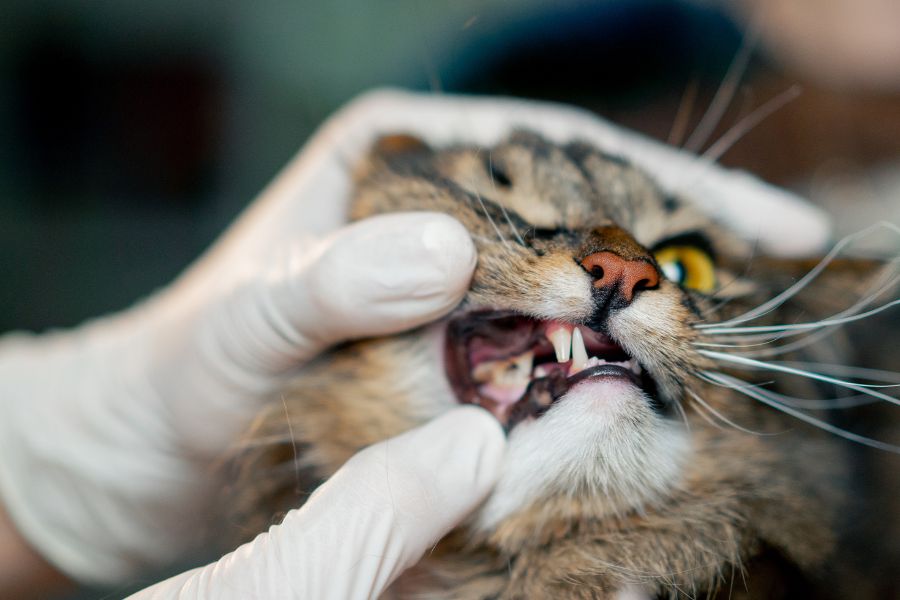
Some dogs show very few signs of dental disease, even when significant problems are present. This is one reason routine oral examinations are so important.
Watch for signs such as:
- Persistent bad breath
- Yellow or brown tartar on the teeth
- Red, swollen, or bleeding gums
- Excessive drooling
- Difficulty chewing
- Dropping food while eating
- Chewing on only one side of the mouth
- Reluctance to eat hard food
- Loose or damaged teeth
- Swelling around the face or mouth
- Changes in normal behavior
Bad breath should not simply be considered a normal part of having a dog. It can be one of the earliest noticeable signs of dental disease.
If you notice these changes, a dental evaluation can help determine whether your dog needs professional treatment.
What Happens During Professional Pet Dentistry?
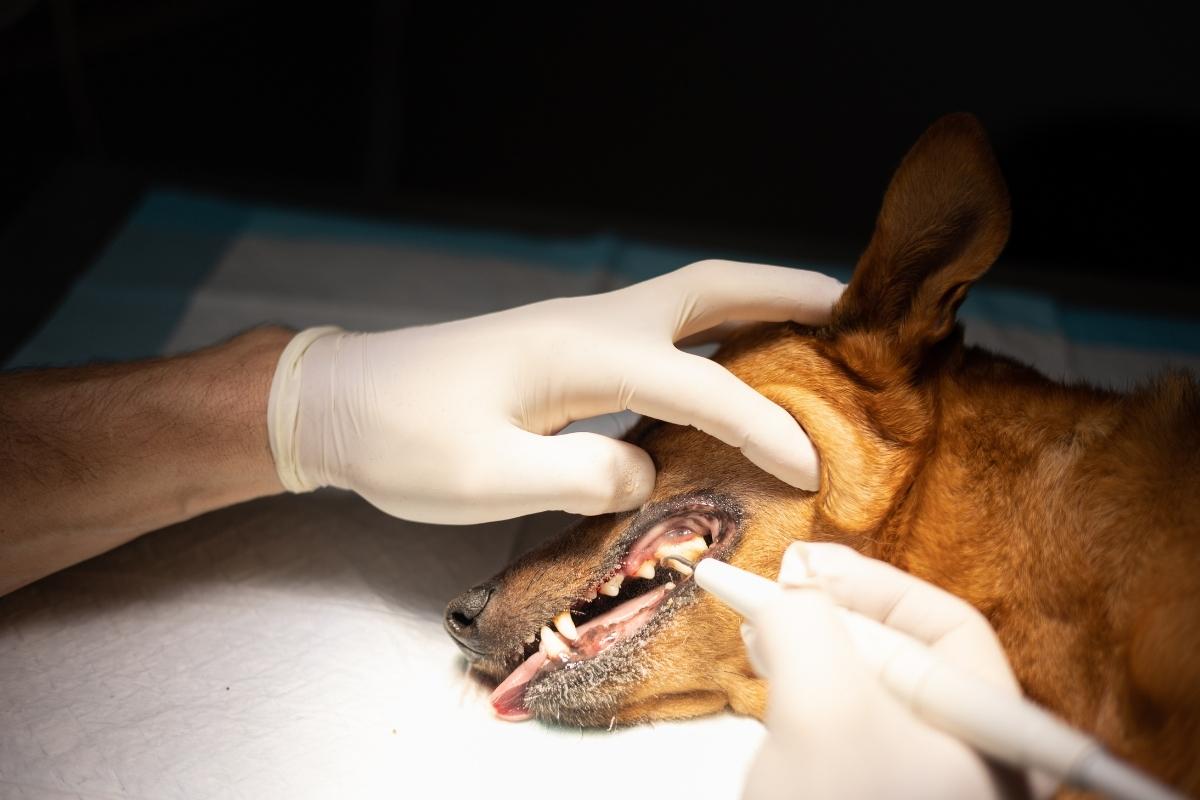
A professional dental procedure involves much more than simply removing visible tartar. Your vet will first evaluate your dog’s overall health and examine the mouth for signs of periodontal disease, damaged teeth, abnormalities, and other concerns.
Dental procedures generally include cleaning above and below the gumline, polishing the teeth, periodontal evaluation, and dental X-rays when appropriate. X-rays are especially valuable because a significant portion of a tooth is located beneath the gumline and cannot be evaluated through a visual examination alone.
Professional veterinary dental cleanings are performed under anesthesia because thorough evaluation and cleaning require the dog to remain safely still. Anesthesia also allows the veterinary team to examine areas beneath the gumline and perform dental X-rays when needed.
Depending on the findings, the veterinarian may recommend additional treatment, such as extraction of a severely damaged tooth.
How Can You Maintain Your Dog’s Teeth Between Cleanings?
Professional cleanings are only one part of good oral hygiene. Consistent home care can help reduce plaque accumulation between veterinary dental visits.
Brush Your Dog’s Teeth Regularly
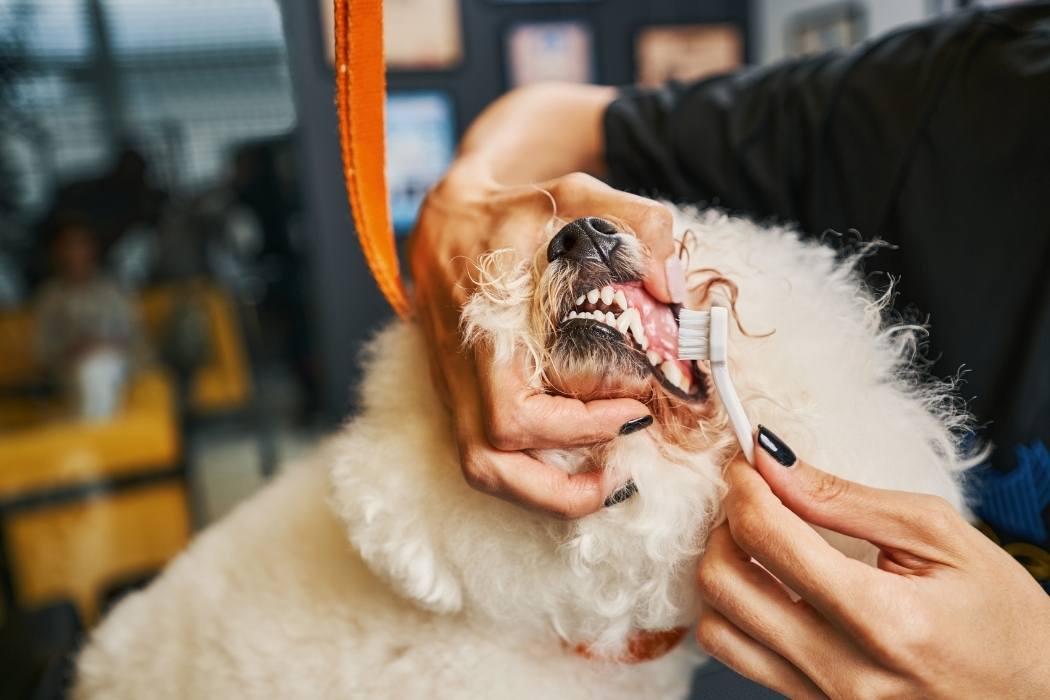
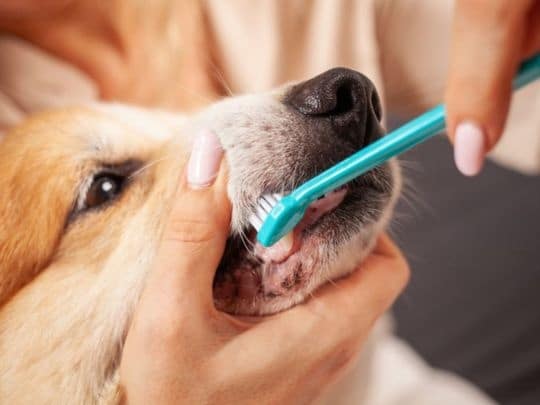
Daily toothbrushing is one of the most effective ways to help control plaque. Use a toothbrush and toothpaste specifically designed for pets. Human toothpaste should not be used because some ingredients can be harmful to animals.
Introduce brushing gradually so your dog becomes comfortable with having their mouth handled.
Consider Veterinary-Recommended Dental Products
Certain dental chews, diets, and water additives may help reduce plaque buildup. Products carrying the Veterinary Oral Health Council seal can provide an additional option for supporting oral hygiene. Ask your veterinarian which products are appropriate for your dog’s age, size, chewing habits, and oral health.
Keep Up With Routine Oral Examinations
A dental examination should be part of regular veterinary care. AAHA recommends evaluating a pet’s oral health during routine preventive visits, allowing changes to be identified before they become more advanced.
Does Every Dog Need the Same Dental Cleaning Schedule?
No. Your dog’s ideal schedule depends on several factors. A young dog with excellent home dental care may require a different schedule from an older dog with a history of periodontal disease.
Breed and size can also matter. Smaller dogs and senior dogs have increased risk for periodontal disease, so they may benefit from more frequent dental monitoring.
Rather than waiting until tartar becomes obvious, regular examinations allow an animal hospital near you to monitor your dog’s oral health over time and recommend professional cleaning when it is needed.
Supporting Your Dog’s Oral Health in Oviedo
Consistent dental care can help protect your dog’s teeth, gums, comfort, and overall quality of life. Combining regular veterinary examinations, professional dental cleanings when recommended, and appropriate home care provides a practical approach to lifelong oral health.
If you have noticed bad breath, tartar, changes in eating habits, or other dental concerns, Alafaya Trail Animal Hospital can help evaluate your dog’s oral health and recommend appropriate pet dentistry based on their individual needs. To discuss your dog’s dental health and preventive care needs, schedule an appointment with our animal hospital.
Frequently Asked Questions
1. How often should my dog have a professional dental cleaning?
Ans: Many dogs need professional cleaning every one to two years, but some may need it more frequently. Your veterinarian will consider your dog’s age, breed, dental history, oral health, and home-care routine when recommending a schedule.
2. Is bad breath normal in dogs?
Ans: No. Persistent bad breath can be an early sign of plaque buildup, gingivitis, or periodontal disease. A dental examination can help identify the underlying cause.
3. Can brushing replace professional dental cleanings?
Ans: Brushing is an important part of daily oral care, but it does not replace professional cleaning. Veterinary cleanings allow the dental team to evaluate and clean areas that cannot be adequately reached through routine brushing.
4. Why are dental X-rays important?
Ans: Dental X-rays can reveal problems below the gumline that cannot be seen during a visual examination. They can help veterinarians identify hidden dental disease and determine appropriate treatment.
5. Do older dogs need more frequent dental care?
Ans: They may. Dental disease becomes more common with age, and smaller senior dogs can have a higher risk of periodontal disease and related bone loss. Your veterinarian can determine how frequently your older dog should receive dental evaluations.
6. What should I do if my dog has difficulty eating?
Ans: Difficulty chewing, dropping food, or showing discomfort while eating can indicate an oral health problem. Schedule a veterinary examination so the cause can be evaluated rather than assuming the behavior is simply related to age.