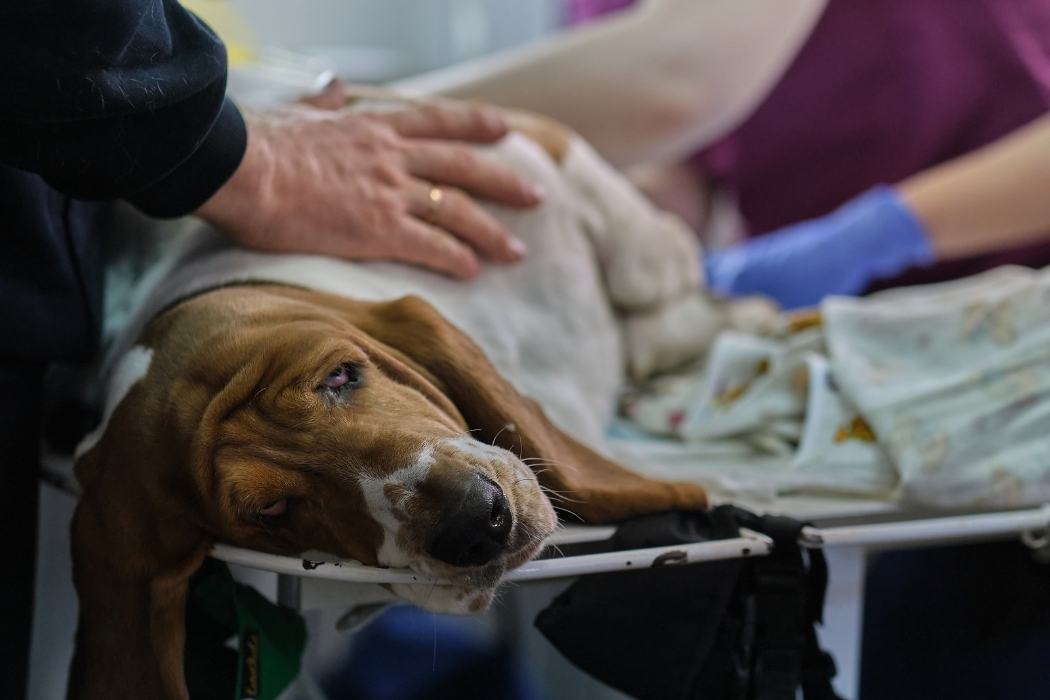
After a procedure, many pet owners notice their dogs or cats licking, chewing, or scratching at the surgical site. While this behavior may seem like a normal part of recovery, repeated licking can interfere with healing and may increase the risk of complications. Understanding why this happens and how to prevent it can help support a safer recovery.
Pet owners from Oviedo and surrounding areas receive guidance on proper post-surgical care and recovery steps. Knowing what causes incision licking and when to seek veterinary support can help protect your companion during the healing process.
Why Do Pets Lick Surgical Incisions?
Licking is a natural behavior for many animals. They may lick an incision because the area feels unusual, uncomfortable, or irritating as the body begins to heal.
Common reasons include:
- Itching during healing: As skin repairs itself, mild itching can develop around the incision site.
- Discomfort or soreness: Some animals may lick because they feel tenderness near the surgical area.
- Foreign sensation: Stitches, staples, swelling, or shaved fur can make the area feel different.
- Stress or anxiety: Changes in routine after surgery may cause some animals to focus more attention on the incision.
Although occasional interest in the area may happen, constant licking can create problems. Moisture and friction from licking may delay healing and can irritate the skin.
What Problems Can Happen If A Pet Keeps Licking An Incision?
Preventing incision licking is an important part of recovery after pet surgery. Excessive attention to the surgical site can lead to:
- Increased redness or irritation
- Opening of the incision
- Introduction of bacteria from the mouth
- Delayed healing
- Need for additional veterinary evaluation
A healing incision should generally become less noticeable over time. Changes such as worsening swelling, discharge, bleeding, or a foul odor should not be ignored.
How Can You Stop A Pet From Licking A Surgical Incision?
The appropriate prevention method depends on the procedure, the animal’s behavior, and the incision’s location. Some helpful steps include:
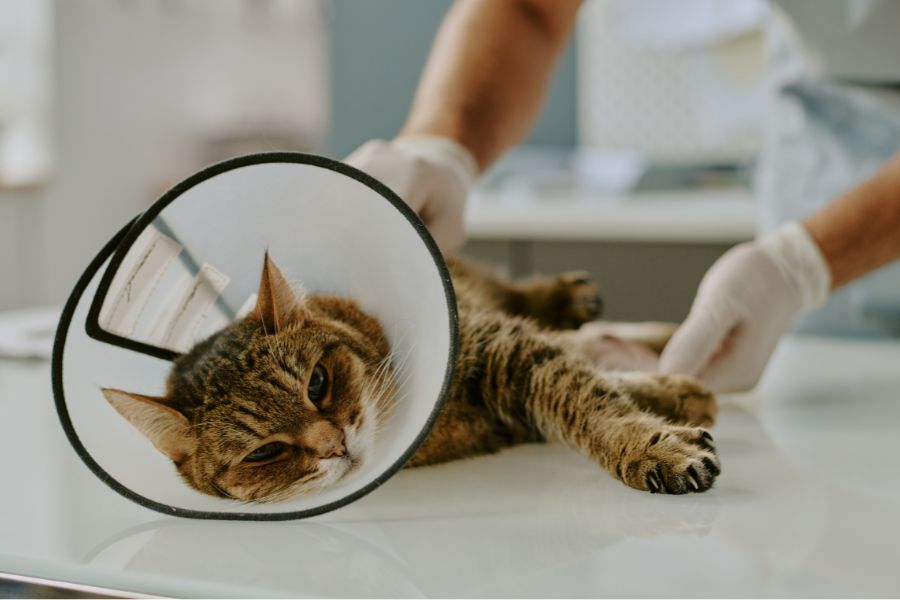
Use An Appropriate Recovery Collar
An Elizabethan collar, commonly called an e-collar, is one of the most common methods for preventing access to the surgical site. Some animals may need time to adjust, but it helps reduce the chance of accidental damage.
Follow Activity Restrictions
Running, jumping, and rough play can put pressure on healing tissues. Keeping activity limited during recovery can help protect the incision.
Check The Incision Regularly
Look at the area each day for changes. Monitoring helps owners notice potential concerns early, such as increased redness, swelling, discharge, or incision separation.
Keep The Recovery Area Comfortable
A quiet space with a clean resting area can help reduce stress while allowing the body time to heal.
Avoid Applying Products Without Veterinary Guidance
Creams, sprays, or home remedies may not be appropriate for every surgical incision. Some products can irritate healing tissue or may encourage more licking.
When Should You Contact A Veterinarian About Incision Licking?
Some interest in the surgical area can occur, but certain signs may require veterinary attention. Contact a veterinarian if you notice:
- The incision is opening
- Persistent bleeding or fluid discharge
- Increasing swelling or warmth
- A bad smell from the surgical site
- Significant pain or unusual behavior
- Continuous licking despite prevention methods
These signs can have different causes, so a veterinary examination may be needed to determine the right next steps.
How Veterinarians Help During Surgical Recovery
Before and after pet surgery, veterinary teams provide instructions to help owners understand activity limits, incision monitoring, and recovery care. A follow-up examination may be recommended depending on the procedure and the individual situation.
If your companion continues trying to lick the incision or you notice changes during recovery, visit our veterinary hospital for guidance and evaluation. A veterinary team can assess the surgical area and determine whether additional care is needed.
Supporting A Smooth Recovery After Surgery
Recovery does not end when the procedure is complete. Home care plays an important role in helping the body heal properly. Following discharge instructions, preventing excessive licking, and watching for changes can make the recovery period safer.
At Alafaya Trail Animal Hospital, the team helps Oviedo families understand post-surgical care and provides support throughout the healing process. Schedule an appointment if you have concerns about an incision or need guidance after a recent procedure.
FAQs
1. Why does my dog keep licking the incision after surgery?
Ans: Dogs may lick an incision due to itching, discomfort, or the unfamiliar sensation of healing skin. Persistent licking can irritate the area and may require veterinary guidance to prevent complications.
2. How long should a pet avoid licking a surgical incision?
Ans: The recovery period varies depending on the procedure and the individual animal. Owners should follow veterinarian’s instructions and continue prevention methods until healing is complete.
3. Can licking an incision cause infection?
Ans: Yes, repeated licking may increase irritation and introduce bacteria to the surgical area. If redness, swelling, discharge, or odor develops, a veterinary examination may be needed.
4. What should I do if my pet will not stop licking after surgery?
Ans: Alafaya Trail Animal Hospital recommends following post-surgical instructions, using appropriate prevention methods, and contacting the veterinary team if licking continues or the incision changes.
5. How does Alafaya Trail Animal Hospital help with post-surgery recovery?
Ans: Alafaya Trail Animal Hospital provides guidance for recovery care, incision monitoring, and follow-up support to help families understand what to expect after procedures.
6. Is licking the incision normal after a procedure?
Ans: Some animals may show interest in the surgical area during healing. However, frequent licking, chewing, or scratching should be addressed because it may affect recovery.